ChipApex | Global Electronic Components Supplier

SEARCH
Search Product
Search Post
— IC芯片 | 连接器 | 传感器 | 被动器件 —
Search productSearch post
— IC芯片 | 连接器 | 传感器 | 被动器件 —
Consult the customer manager about the wholesale price.
consultation hotline:86-132-6715-2157
email:[email protected]
Contact the product manager for consultation. One-stop consultation is available.
Do you want a lower wholesale price? Please send us your inquiry and we will reply immediately.
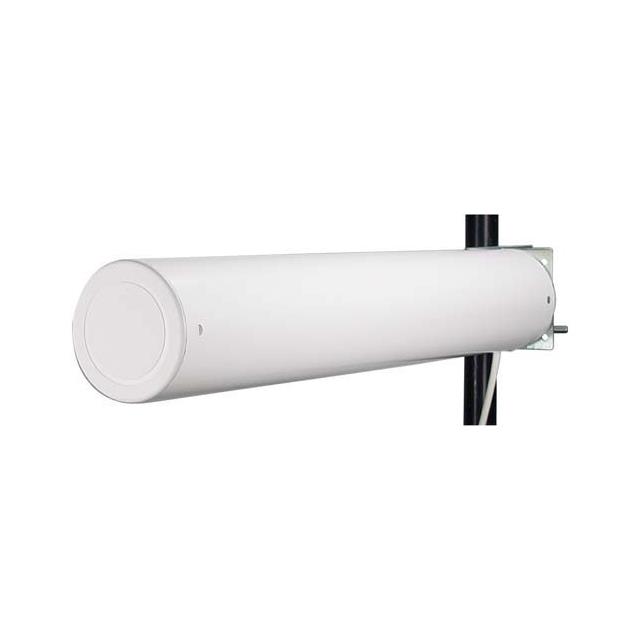
The L-com HG2412Y-RSP is a 2.4 GHz Yagi-Uda directional antenna designed for wireless communication systems requiring focused signal transmission. It features a gain of 12 dBi and operates within the ISM band, supporting IEEE 802.11b/g/n standards including Wi-Fi and Bluetooth applications. The unit utilizes an RP-SMA connector and includes a 12-inch (0.3-meter) cable length. Constructed for mast or screw mounting, this antenna provides high directivity to enhance link reliability in point-to-point or point-to-multipoint network configurations.
Verify that the receiving equipment utilizes standard SMA connectors, as this model employs a reverse-polarity variant. Confirm physical mounting requirements align with the included hardware specifications. Ensure the operating environment supports the structural integrity required for outdoor installation. Cross-reference frequency bands to guarantee compatibility with existing network infrastructure protocols.
Select this component when directional gain is prioritized over omnidirectional coverage. Ideal for scenarios where line-of-sight transmission is established between fixed endpoints. Consider the specific connector polarity requirements of the host radio device before integration. Evaluate environmental exposure levels to ensure the housing material meets durability standards for the intended deployment location.
This model belongs to the L-com RF Antennas product line, which specializes in copper and fiber optic interconnect solutions alongside wireless components. The HG2412Y-RSP represents a specialized directional solution within their broader portfolio of WLAN and Bluetooth compatible antennas. L-com focuses on providing complete interconnect solutions for modular, coaxial, and computer network applications across various industries.
Substitute models must maintain identical 2.4 GHz frequency operation and 12 dBi gain characteristics. Verify connector type compatibility, specifically addressing the reverse-polarity SMA interface differences. Ensure mechanical mounting options match the existing infrastructure constraints. Check cable length requirements to prevent tension issues during installation.
 HG2412Y-RSP

The activity of extra discounts on wholesale prices is in full swing…
Please fill in your contact information and we will send you the latest wholesale price list.