ChipApex | Global Electronic Components Supplier

SEARCH
Search Product
Search Post
— IC芯片 | 连接器 | 传感器 | 被动器件 —
Search productSearch post
— IC芯片 | 连接器 | 传感器 | 被动器件 —
Consult the customer manager about the wholesale price.
consultation hotline:86-132-6715-2157
email:[email protected]
Contact the product manager for consultation. One-stop consultation is available.
Do you want a lower wholesale price? Please send us your inquiry and we will reply immediately.
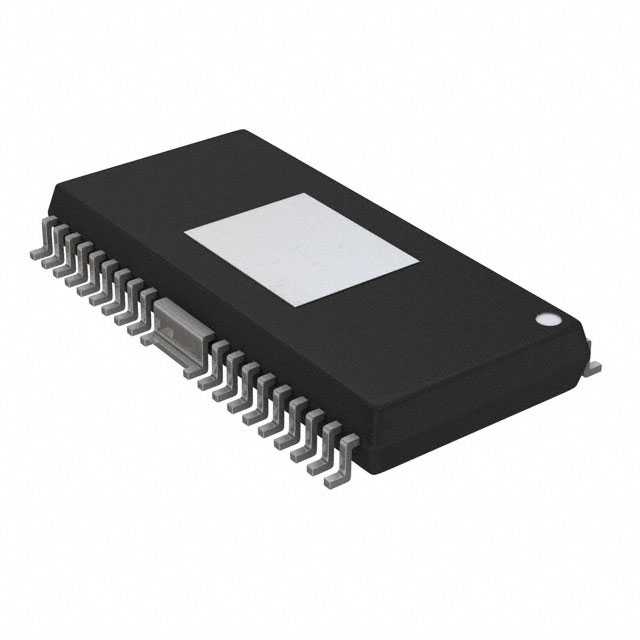
The LA6261-TE-L-E is a monolithic integrated circuit manufactured by onsemi, designed specifically for automotive LED lighting applications. It functions as a high-side driver capable of controlling multiple LED channels with precise current regulation. The device incorporates advanced protection features including over-voltage, over-temperature, and open-load detection to ensure reliable operation in harsh automotive environments. It supports PWM dimming for brightness control and utilizes a compact surface-mount package suitable for space-constrained designs.
Verify the exact ordering suffix matches the required tape and reel configuration or lead frame variant. Confirm that the specific temperature grade and packaging format align with your assembly line requirements. Cross-reference the manufacturer's latest datasheet to ensure compliance with current automotive standards and RoHS directives before finalizing procurement orders.
Select this component when designing automotive LED drivers requiring integrated protection and diagnostics. Ensure the input voltage range matches the vehicle's power system. Consider the thermal management needs based on the expected LED load current. Verify compatibility with the chosen microcontroller for PWM signal generation and communication protocols if used in complex lighting networks.
This part belongs to onsemi's portfolio of automotive-grade power management solutions. It is engineered to meet stringent automotive reliability standards, ensuring longevity and performance under varying environmental conditions. The integration of driver and protection circuits simplifies the overall system design, reducing component count and board space compared to discrete solutions.
Consult onsemi's official cross-reference tools for verified equivalent parts. Ensure any substitute maintains identical pinout, voltage ratings, and thermal characteristics. Validate that alternative components meet the same automotive qualification standards and functional safety requirements before implementation.
 LA6261-TE-L-E

The activity of extra discounts on wholesale prices is in full swing…
Please fill in your contact information and we will send you the latest wholesale price list.