ChipApex | Global Electronic Components Supplier
SEARCH
Search Product
Search Post
— IC芯片 | 连接器 | 传感器 | 被动器件 —
Search productSearch post
— IC芯片 | 连接器 | 传感器 | 被动器件 —
Consult the customer manager about the wholesale price.
consultation hotline:86-132-6715-2157
email:[email protected]
Contact the product manager for consultation. One-stop consultation is available.
Do you want a lower wholesale price? Please send us your inquiry and we will reply immediately.
The LDL212PU15R is a fixed-output linear regulator from the LDL212 family, providing a nominal 1.5 V output with a guaranteed maximum current of 1.2 A. It operates within an input voltage range of 2.5 V to 18 V and features a typical dropout voltage of 350 mV at full load. The device includes an enable function for power management and offers high power supply rejection ratios of 87 dB at 120 Hz and 75 dB at 1 kHz. It incorporates internal protections against thermal overload, short circuits, and overcurrent, ensuring reliable operation across a junction temperature range of -40 °C to 125 °C.
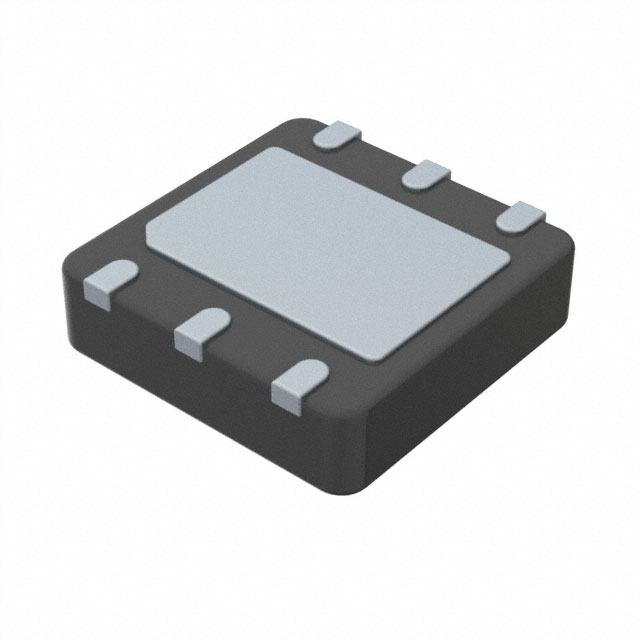
Verify the specific package configuration required for your design, as the LDL212 series is available in DFN6 (3x3), DFN6 (2x2), and SO-8 batwing packages. Confirm that the ordering suffix matches the desired physical footprint and tape-and-reel specifications. Ensure compatibility with your PCB layout guidelines regarding the exposed pad connection to ground for optimal thermal performance.
Select this component when a fixed 1.5 V rail is needed with high current drive capabilities. Consider the dropout voltage characteristics relative to your minimum input voltage to ensure regulation under all load conditions. Evaluate the thermal resistance of the chosen package against your expected power dissipation to determine if additional heatsinking or copper area is necessary for sustained operation.
This part belongs to the LDL212 family of low-dropout linear regulators designed for high-performance applications. The family supports various fixed output voltages ranging from 1.2 V to 12 V, as well as adjustable versions. The LDL212PU15R specifically targets designs requiring precise 1.5 V generation with robust transient response and noise filtering capabilities.
Compatible alternatives within the same family include LDL212PV33R for 3.3 V outputs or LDL212PUR for adjustable configurations. When substituting, verify that the replacement part maintains the same package type and pinout to ensure mechanical and electrical compatibility without redesigning the printed circuit board.
 LDL212PU15R
The activity of extra discounts on wholesale prices is in full swing…
Please fill in your contact information and we will send you the latest wholesale price list.