ChipApex | Global Electronic Components Supplier

SEARCH
Search Product
Search Post
— IC芯片 | 连接器 | 传感器 | 被动器件 —
Search productSearch post
— IC芯片 | 连接器 | 传感器 | 被动器件 —
Consult the customer manager about the wholesale price.
consultation hotline:86-132-6715-2157
email:[email protected]
Contact the product manager for consultation. One-stop consultation is available.
Do you want a lower wholesale price? Please send us your inquiry and we will reply immediately.
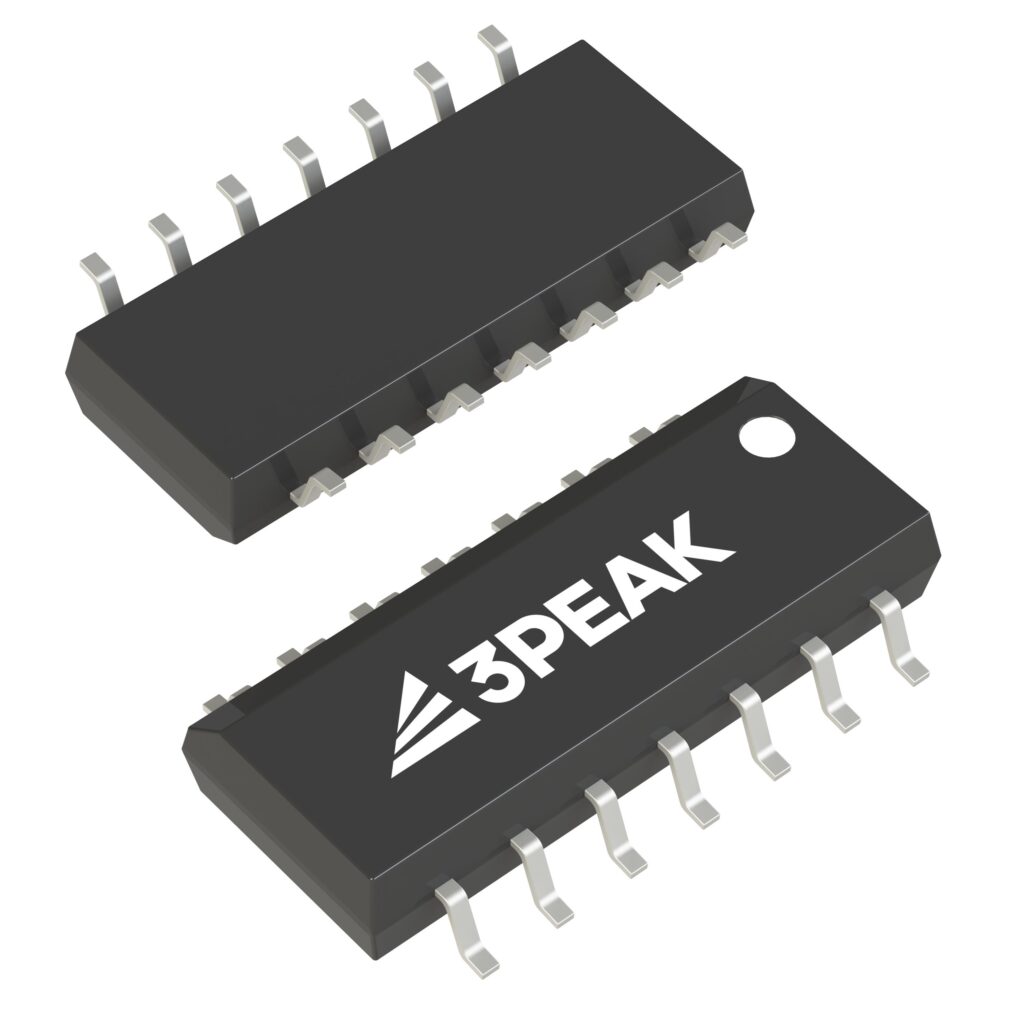
The LF347MX is a quad JFET-input operational amplifier manufactured by Texas Instruments. It features a gain-bandwidth product of 4 MHz and a slew rate of 13 V/us. The device operates on supply voltages ranging from 8 V to 36 V, with a maximum dual supply of 18 V. Input offset voltage is typically 10 mV, and input bias current is 200 pA. Common-mode rejection ratio reaches 100 dB, while power supply rejection ratio is 70 dB. Operating supply current is 7.2 mA per channel, with an output current capability of 31 mA. The component is housed in an SOIC-14 surface-mount package.
Verify the specific suffix MX against the manufacturer's official datasheet to confirm the SOIC-14 package type and tape-and-reel packaging format. Ensure the part number matches the exact electrical specifications required for the design, as variations may exist within the LF347 family. Cross-reference the ordering information directly with Texas Instruments documentation to avoid discrepancies in pinout or thermal characteristics.
Select this component when a quad amplifier with JFET inputs is required for applications demanding low input bias current and moderate speed. The 4 MHz bandwidth suits general-purpose analog signal conditioning. Compare against other LF347 variants to ensure the surface-mount package aligns with PCB layout constraints. Verify that the 36 V maximum supply voltage meets the system power requirements.
The LF347MX belongs to the LF347 series of wide bandwidth quad operational amplifiers. This series utilizes JFET input stages to achieve high input impedance and low noise characteristics. The device is designed for general-purpose analog applications requiring multiple amplifier channels in a single package. It represents a standard solution for multi-channel signal processing tasks in industrial and consumer electronics.
Official substitutes include LF347M/NOPB and LF347MX/NOPB, which maintain identical electrical characteristics and pinouts. These alternatives offer lead-free compliance while preserving the original performance metrics.
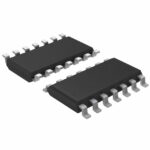 LF347MX

The activity of extra discounts on wholesale prices is in full swing…
Please fill in your contact information and we will send you the latest wholesale price list.