ChipApex | Global Electronic Components Supplier

SEARCH
Search Product
Search Post
— IC芯片 | 连接器 | 传感器 | 被动器件 —
Search productSearch post
— IC芯片 | 连接器 | 传感器 | 被动器件 —
Consult the customer manager about the wholesale price.
consultation hotline:86-132-6715-2157
email:[email protected]
Contact the product manager for consultation. One-stop consultation is available.
Do you want a lower wholesale price? Please send us your inquiry and we will reply immediately.
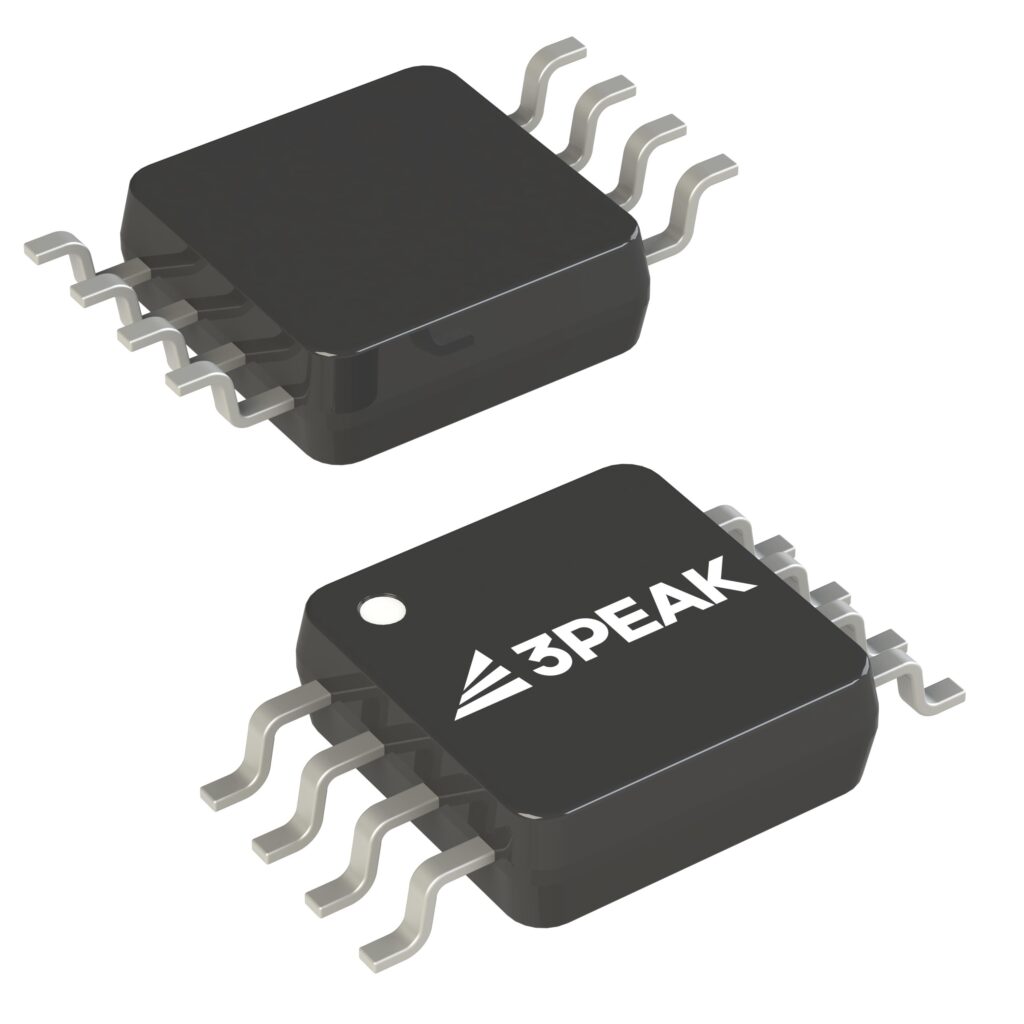
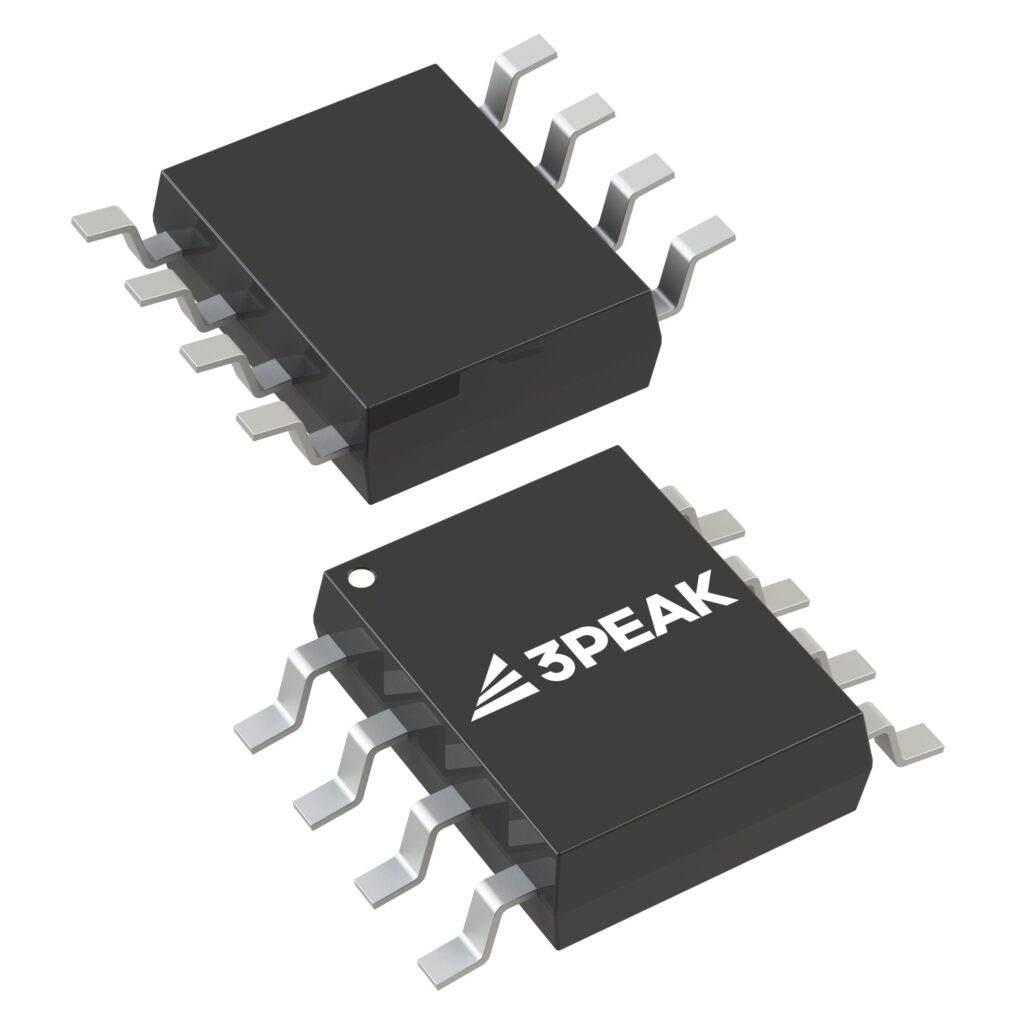
The LF353DRE4 is a dual wideband JFET-input operational amplifier manufactured by Texas Instruments. It features a gain-bandwidth product of 3 MHz and a slew rate of 13 V/µs. The device operates on supply voltages ranging from 7 V to 36 V, with a maximum dual supply of ±18 V. Key electrical parameters include an input bias current of 200 pA, an input offset voltage of 10 mV, and a typical common-mode rejection ratio of 100 dB. It consumes 3.6 mA of operating current per channel and provides a peak output current of 20 mA. The component is housed in an 8-SOIC surface-mount package and supports an operating temperature range from 0°C to +70°C.
Verify the specific suffix 'E4' indicates lead-free composition compliant with RoHS standards. Confirm the SOIC-8 package dimensions match PCB footprint requirements. Ensure the operating temperature range meets system environmental specifications. Check for any recent Product Change Notifications regarding assembly sites or material changes.
Select this component when JFET input impedance is required to minimize loading effects on high-impedance sources. The 3 MHz bandwidth suits moderate-speed applications where lower noise than bipolar amplifiers is needed. Consider the 8-SOIC package for automated surface-mount assembly processes. Verify that the 13 V/µs slew rate satisfies the maximum signal frequency requirements of the design.
This part belongs to the LF353 family of dual JFET operational amplifiers. The 'D' suffix denotes the SOIC-8 surface-mount package variant. The 'RE4' suffix typically indicates tape-and-reel packaging and lead-free manufacturing compliance. This series is designed as a general-purpose replacement for older bipolar input op-amps requiring higher input impedance.
No, the LF353DRE4 is not a rail-to-rail output amplifier. Its output swing does not reach the positive or negative supply rails.
The LF353DRE4 utilizes a JFET (Junction Field-Effect Transistor) input stage, which provides high input impedance and low input bias current.
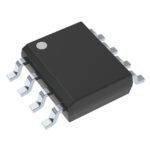 LF353DRE4

The activity of extra discounts on wholesale prices is in full swing…
Please fill in your contact information and we will send you the latest wholesale price list.