ChipApex | Global Electronic Components Supplier
SEARCH
Search Product
Search Post
— IC芯片 | 连接器 | 传感器 | 被动器件 —
Search productSearch post
— IC芯片 | 连接器 | 传感器 | 被动器件 —
Consult the customer manager about the wholesale price.
consultation hotline:86-132-6715-2157
email:[email protected]
Contact the product manager for consultation. One-stop consultation is available.
Do you want a lower wholesale price? Please send us your inquiry and we will reply immediately.
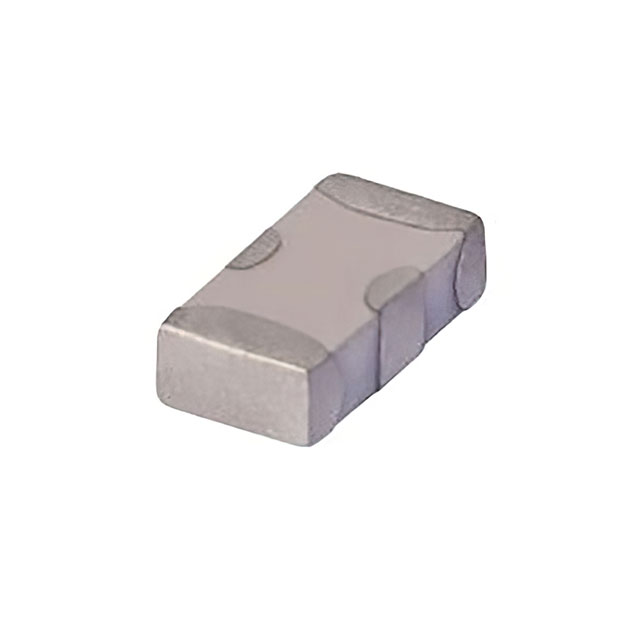
The LFCN-160+ is a low-pass ceramic filter manufactured by Mini-Circuits, designed for surface-mount applications. It features an LTCC structure with a cutoff frequency of 160 MHz and a nominal impedance of 50 Ohms. The component offers excellent power handling capabilities of 8W and maintains temperature stability within a sealed package. Key electrical specifications include a passband insertion loss of 1 dB and a VSWR of 1.2:1. It provides significant rejection, achieving 20 dB attenuation at 330 MHz. The device utilizes a compact 4-SMD, no-lead package configuration.
Verify the specific ordering suffix to ensure compatibility with required termination styles or tape-and-reel configurations. Confirm that the selected variant matches the intended PCB footprint and soldering profile. Check environmental ratings against operating conditions. Ensure the component meets RoHS compliance requirements if mandated by the design specification. Validate availability through authorized distributors to guarantee authenticity.
Select this component when high power handling and stable performance are critical for VHF/UHF applications. The 160 MHz cutoff frequency suits systems requiring effective harmonic suppression below 330 MHz. Consider the 50 Ohm impedance match for standard RF interfaces. The sealed LTCC design ensures reliability in harsh environments. Evaluate the compact SMD package size against available board space constraints.
This part belongs to the LFCN series of low-pass filters from Mini-Circuits, which utilize Low Temperature Co-fired Ceramic (LTCC) technology. The series is characterized by robust power handling and consistent performance across temperature variations. These filters are engineered for demanding RF environments where size and reliability are paramount. The LFCN-160+ specifically targets applications requiring precise cutoff characteristics at 160 MHz.
Direct substitutes may include other Mini-Circuits LTCC low-pass filters with similar cutoff frequencies and power ratings. Verify pinout compatibility and impedance matching before substitution. Cross-reference specifications such as insertion loss and rejection levels to ensure equivalent performance. Consult manufacturer documentation for approved alternative part numbers.
 LFCN-160+
The activity of extra discounts on wholesale prices is in full swing…
Please fill in your contact information and we will send you the latest wholesale price list.