ChipApex | Global Electronic Components Supplier
SEARCH
Search Product
Search Post
— IC芯片 | 连接器 | 传感器 | 被动器件 —
Search productSearch post
— IC芯片 | 连接器 | 传感器 | 被动器件 —
Consult the customer manager about the wholesale price.
consultation hotline:86-132-6715-2157
email:[email protected]
Contact the product manager for consultation. One-stop consultation is available.
Do you want a lower wholesale price? Please send us your inquiry and we will reply immediately.
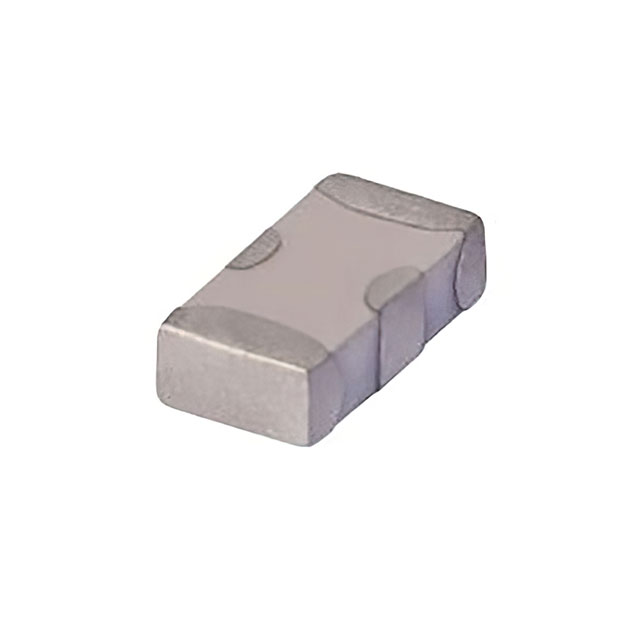
The LFCN-1800+ is a low-pass ceramic filter manufactured by Mini-Circuits, designed for surface-mount applications. It features an LTCC construction with a cutoff frequency of 1800 MHz and operates within a 50Ω system. The component utilizes a compact FV1206 case style package. Electrical performance includes a typical passband insertion loss ranging from 1.2 dB to 1.9 dB. It supports RF input power handling up to 1W, with linear derating to 3.5W at 100°C ambient temperature. The device functions reliably across an extended temperature range of -55°C to +125°C.
Verify the specific ordering suffix against the manufacturer's current datasheet to ensure correct packaging and marking specifications. Confirm that the FV1206 land pattern matches your PCB design guidelines. Check for RoHS compliance status if required by your assembly standards. Ensure thermal management strategies account for the specified power derating curves at elevated ambient temperatures.
Select this component when a sharp cutoff near 1800 MHz is required in a minimal footprint. The LTCC technology offers stability compared to other ceramic types. Consider the 50Ω impedance match for seamless integration into standard RF transmission lines. Evaluate the insertion loss specifications against system noise budget requirements. Verify that the physical dimensions fit within the constrained space of the target application.
Mini-Circuits produces a broad portfolio of RF and microwave components, including filters, amplifiers, and mixers. The LFCN series represents their line of low-pass filters utilizing Low-Temperature Co-fired Ceramic (LTCC) technology. These components are engineered for high reliability and consistent electrical performance across wide frequency ranges, serving diverse industrial and commercial electronics markets.
Consult official Mini-Circuits substitution guides for verified equivalents. Generic cross-references may not match the precise LTCC characteristics or power handling capabilities. Validate any alternative part against the original schematic requirements before implementation.
 LFCN-1800+
The activity of extra discounts on wholesale prices is in full swing…
Please fill in your contact information and we will send you the latest wholesale price list.