ChipApex | Global Electronic Components Supplier

SEARCH
Search Product
Search Post
— IC芯片 | 连接器 | 传感器 | 被动器件 —
Search productSearch post
— IC芯片 | 连接器 | 传感器 | 被动器件 —
Consult the customer manager about the wholesale price.
consultation hotline:86-132-6715-2157
email:[email protected]
Contact the product manager for consultation. One-stop consultation is available.
Do you want a lower wholesale price? Please send us your inquiry and we will reply immediately.
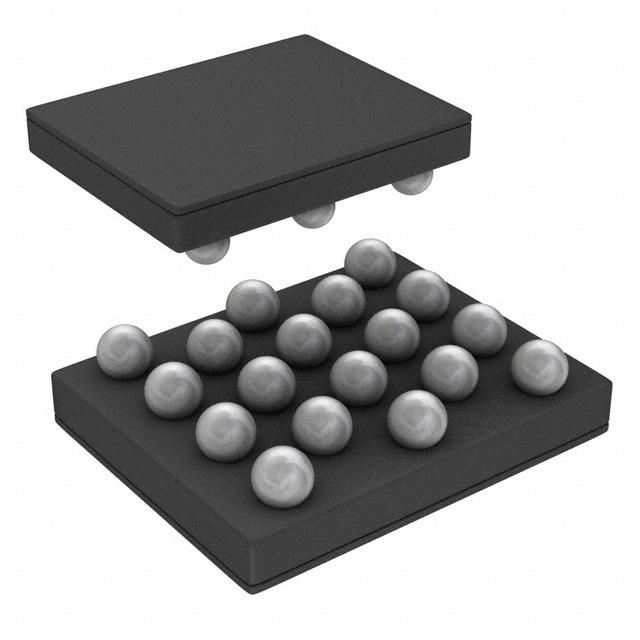
The LM27961 is a high-efficiency, synchronous buck converter designed for automotive applications. It integrates two N-channel power MOSFETs and operates from an input voltage range of 4.5V to 60V. The device supports output currents up to 3A with adjustable switching frequencies from 100kHz to 2.2MHz. Key features include integrated bootstrap diode, soft-start, and comprehensive protection mechanisms such as overcurrent, overvoltage, and thermal shutdown.
Verify the specific suffix NOPB indicates lead-free and RoHS compliance. Confirm the package type TL corresponds to the correct pinout and thermal characteristics for your PCB layout. Ensure the operating temperature range meets your application's environmental requirements. Cross-reference the datasheet revision date to ensure compatibility with latest design guidelines.
Select this component when a wide input voltage range up to 60V is required in a compact footprint. Consider the adjustable frequency feature if minimizing passive component size is critical. Evaluate the thermal performance under maximum load conditions to determine adequate heatsinking or PCB copper area requirements.
This part belongs to Texas Instruments' LM279xx family of automotive-grade buck converters. It is designed to replace older discrete solutions or less integrated controllers, offering higher efficiency and reduced board space. The device is qualified for AEC-Q100 standards, ensuring reliability in harsh automotive environments.
Direct replacements may include other LM279xx variants with similar pinouts and electrical specifications. Verify that any substitute maintains the same input voltage range and output current capability. Check for compatibility with existing control loops and protection thresholds before implementation.
 LM27961TL/NOPB

The activity of extra discounts on wholesale prices is in full swing…
Please fill in your contact information and we will send you the latest wholesale price list.