ChipApex | Global Electronic Components Supplier

SEARCH
Search Product
Search Post
— IC芯片 | 连接器 | 传感器 | 被动器件 —
Search productSearch post
— IC芯片 | 连接器 | 传感器 | 被动器件 —
Consult the customer manager about the wholesale price.
consultation hotline:86-132-6715-2157
email:[email protected]
Contact the product manager for consultation. One-stop consultation is available.
Do you want a lower wholesale price? Please send us your inquiry and we will reply immediately.
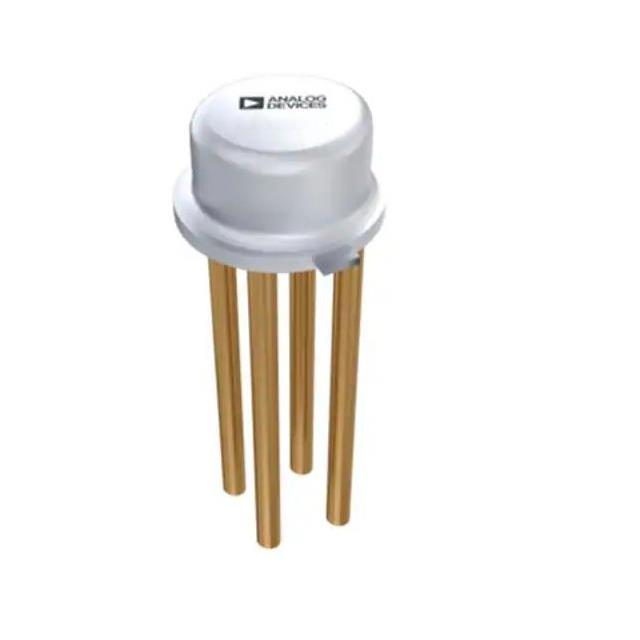
The LM399H#PBF is a high-precision shunt voltage reference manufactured by Analog Devices Inc. It utilizes a buried Zener diode structure housed in a TO-46-4 metal can package to achieve exceptional stability. The device provides a fixed output voltage of 6.95 V with an initial accuracy of 2%. It features a temperature coefficient of 0.3 ppm/°C and operates within a junction temperature range of 0°C to +70°C. The maximum series input voltage is 40 V, while the shunt current ranges from a minimum of 500 µA to a maximum of 10 mA.
Verify the specific suffix H against AH or other variants to ensure correct accuracy and temperature coefficient specifications. Confirm RoHS compliance status as indicated in official documentation. Check lead times due to specialized packaging requirements. Ensure ordering quantities align with manufacturer bulk packaging standards. Validate pinout compatibility with existing TO-46 footprints during integration.
Select this component when ultra-low temperature drift is critical for system accuracy. Consider the TO-46 package size constraints relative to available board space. Evaluate power dissipation requirements given the internal heating mechanism. Compare initial accuracy needs against the 2% tolerance provided. Assess whether the shunt topology fits the circuit's current budget and impedance levels.
This part belongs to the LM399 family of precision voltage references designed by Analog Devices. The family includes variations such as the LM199 and LM399AH, differing primarily in temperature range and initial accuracy grades. The LM399H represents a commercial grade option optimized for general-purpose high-precision applications where extreme industrial temperatures are not required.
LM399AH#PBF offers tighter accuracy but may differ in temperature coefficient. LTZ1000 provides higher performance but requires external control circuitry. LM199 is the military-grade equivalent with extended temperature range. Verify pin compatibility and thermal management requirements when substituting.
 LM399H#PBF

The activity of extra discounts on wholesale prices is in full swing…
Please fill in your contact information and we will send you the latest wholesale price list.