ChipApex | Global Electronic Components Supplier

SEARCH
Search Product
Search Post
— IC芯片 | 连接器 | 传感器 | 被动器件 —
Search productSearch post
— IC芯片 | 连接器 | 传感器 | 被动器件 —
Consult the customer manager about the wholesale price.
consultation hotline:86-132-6715-2157
email:[email protected]
Contact the product manager for consultation. One-stop consultation is available.
Do you want a lower wholesale price? Please send us your inquiry and we will reply immediately.
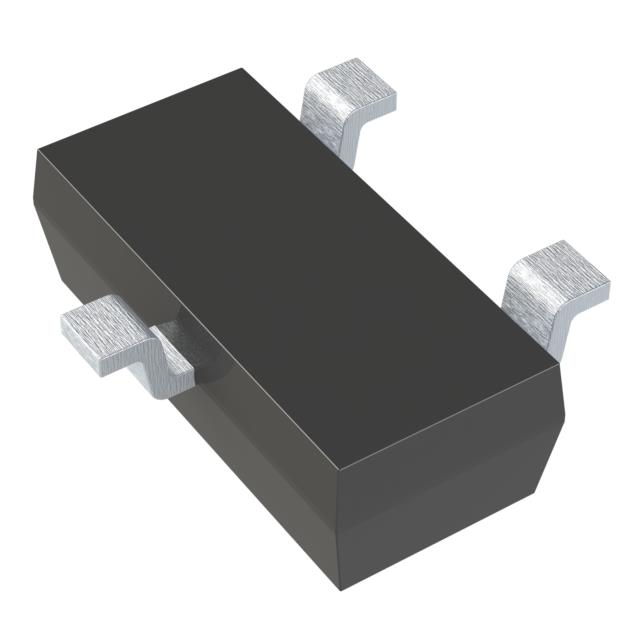
The LM4041BILT-1.2 is a micropower shunt voltage reference manufactured by STMicroelectronics, providing a fixed output voltage of 1.225 V. It features an initial accuracy of ±0.2% at 25 °C and operates within an industrial temperature range of -40 °C to +85 °C. The device has a maximum temperature coefficient of 100 ppm/°C and supports a cathode current up to 12 mA with a typical operating current of 50 µA. Packaged in the SOT-23-3 surface-mount format, it is designed for space-constrained applications requiring stable voltage references without external stabilizing capacitors.
Verify the specific grade suffix B indicates the 0.2% tolerance variant when sourcing from distributors. Confirm the package designation matches the required SOT-23-3 footprint for PCB layout compatibility. Ensure the temperature range aligns with the intended industrial application environment. Cross-reference the manufacturer part number with official STMicroelectronics documentation to confirm active status and revision history before final procurement decisions.
Select this component when a fixed 1.225 V reference is required with tighter accuracy than standard grades but lower cost than higher precision options. Consider the SOT-23-3 package size constraints against available board space. Evaluate the 100 ppm/°C temperature coefficient against system thermal stability requirements. Compare the 50 µA operating current against total system power budgets to ensure efficiency targets are met.
This component belongs to the LM4041 family of micropower shunt voltage references. The series offers various accuracy grades and temperature ranges to suit different application needs. STMicroelectronics produces this line as a pin-compatible alternative to other industry-standard references, facilitating design upgrades or replacements in existing circuits while maintaining form factor compatibility.
LM4041AILT-1.2: Offers similar specifications with 0.1% accuracy. LM4041CELT-1.2: Provides 0.5% accuracy at a potentially lower cost point.
 LM4041BILT-1.2

The activity of extra discounts on wholesale prices is in full swing…
Please fill in your contact information and we will send you the latest wholesale price list.