ChipApex | Global Electronic Components Supplier
SEARCH
Search Product
Search Post
— IC芯片 | 连接器 | 传感器 | 被动器件 —
Search productSearch post
— IC芯片 | 连接器 | 传感器 | 被动器件 —
Consult the customer manager about the wholesale price.
consultation hotline:86-132-6715-2157
email:[email protected]
Contact the product manager for consultation. One-stop consultation is available.
Do you want a lower wholesale price? Please send us your inquiry and we will reply immediately.
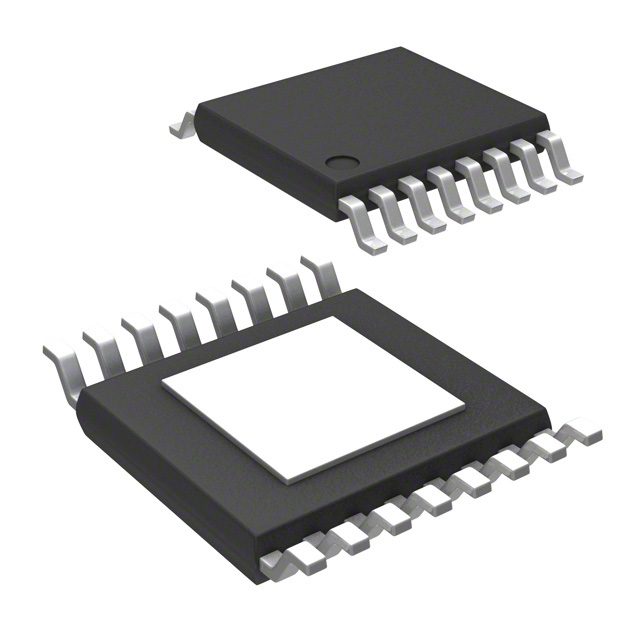
The LT3439EFE#PBF is a push-pull isolated DC/DC converter manufactured by Analog Devices Inc. It operates with an input voltage range of 2.8 V to 17.5 V and provides a single adjustable output capable of delivering up to 1 A. The device features a switch frequency range from 20 kHz to 250 kHz and maintains a low quiescent current of 20 uA. It is housed in a 16-lead TSSOP package with an exposed pad, suitable for surface mount installation. The component supports shutdown functionality and functions within a temperature range of -40°C to +125°C.
Verify the specific suffix #PBF indicates lead-free compliance before procurement. Confirm the 16-TSSOP-EP package dimensions match your PCB footprint design. Ensure the input voltage range aligns with your system's supply characteristics. Check for any recent Product Change Notices regarding material or manufacturing site updates. Validate that the operating temperature range meets your environmental specifications.
Select this component when an isolated push-pull converter is required with moderate output current needs. Consider the 2.8 V minimum input voltage for compatibility with your source. Evaluate the 20 kHz to 250 kHz frequency range against EMI constraints. Compare the 1 A output capability against your load requirements. Assess the thermal performance of the TSSOP-EP package for your enclosure design.
This part belongs to the LT3439 series of isolated DC/DC converters from Analog Devices. It complements other non-isolated regulators like the LTC3833 and LT3844 by providing galvanic isolation. The series targets applications where safety separation between input and output is mandatory. It differs from LED drivers like the LT8393 by offering general-purpose regulated power rather than constant current output.
Publicly confirmed substitute part numbers are not available in the provided documentation. Verify pin-to-pin compatibility if considering alternative manufacturers. Ensure electrical parameters such as input range and output current meet or exceed original requirements. Check for equivalent isolation ratings and thermal performance characteristics.
 LT3439EFE#PBF
The activity of extra discounts on wholesale prices is in full swing…
Please fill in your contact information and we will send you the latest wholesale price list.