 ChipApex | Global Electronic Components Supplier

SEARCH
Search Product
Search Post
— IC芯片 | 连接器 | 传感器 | 被动器件 —
Search productSearch post
— IC芯片 | 连接器 | 传感器 | 被动器件 —
Consult the customer manager about the wholesale price.
consultation hotline:86-132-6715-2157
email:[email protected]
Contact the product manager for consultation. One-stop consultation is available.
Do you want a lower wholesale price? Please send us your inquiry and we will reply immediately.
The LT3758AEDD#TRPBF is a high input voltage switching regulator controller from Analog Devices, designed for versatile DC-DC conversion topologies including boost, flyback, SEPIC, and inverting configurations. It operates with an input voltage range of 5.5 V to 100 V and supports a programmable switching frequency between 100 kHz and 1 MHz. The device features a DFN-10 package suitable for surface mount applications. Key electrical specifications include a maximum output voltage of 7.2 V, an output current capability of 10 mA, and a static current of 1.75 mA. It functions within a temperature range of -40°C to +125°C.
Verify the specific suffix TRPBF indicates reel packaging when sourcing components. Confirm that the A-grade variant meets the required thermal and electrical specifications for your design. Ensure compatibility with the DFN-10 footprint during PCB layout. Cross-reference the manufacturer datasheet for any recent pinout or parameter updates before finalizing procurement orders.
Choose this component when designing circuits that require flexibility across multiple DC-DC topologies from a single controller. The high input voltage range makes it suitable for direct connection to bus lines without pre-regulation. Consider the 10 mA output limit when sizing external drive stages. Evaluate thermal performance within the specified operating temperature range to ensure reliability in enclosed environments.
This part belongs to the LT3758 series of high input voltage controllers manufactured by Analog Devices. It shares functional similarities with other members like the LT3758EMSE but differs in package type, utilizing a DFN-10 form factor instead of MSOP. The series is categorized under PMIC switching voltage regulators, targeting applications needing robust power conversion capabilities.
LT3758AIDD#TRPBF serves as a package-compatible alternative within the same series. LT3758EMSE#TRPBF offers similar functionality but utilizes an MSOP-10 package. Verify pinout compatibility and thermal characteristics when substituting these parts.
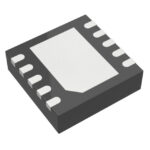 LT3758AEDD#TRPBF

The activity of extra discounts on wholesale prices is in full swing…
Please fill in your contact information and we will send you the latest wholesale price list.





