 ChipApex | Global Electronic Components Supplier
SEARCH
Search Product
Search Post
— IC芯片 | 连接器 | 传感器 | 被动器件 —
Search productSearch post
— IC芯片 | 连接器 | 传感器 | 被动器件 —
Consult the customer manager about the wholesale price.
consultation hotline:86-132-6715-2157
email:[email protected]
Contact the product manager for consultation. One-stop consultation is available.
Do you want a lower wholesale price? Please send us your inquiry and we will reply immediately.
The LT3972IDD#PBF is a synchronous step-down switching regulator manufactured by Analog Devices Inc. It operates with an input voltage range of 3.6 V to 33 V and delivers up to 3.5 A of output current. The device features an adjustable switching frequency from 200 kHz to 2.4 MHz, enabling optimization for efficiency or transient response. It supports output voltages between 790 mV and 30 V. Key electrical specifications include a quiescent current of 75 µA during operation and 30 µA in shutdown mode. The component is housed in a 10-lead DFN package and functions within a temperature range of -40°C to +125°C.
Verify the exact part number suffix against official Analog Devices documentation to confirm package type and temperature grade. Confirm RoHS compliance status through the manufacturer's declaration. Check current availability as distribution channels may report limited stock or discontinuation. Ensure ordering quantities match factory tube packaging requirements rather than reel quantities.
Select this component when input voltages remain below 33 V and output currents do not exceed 3.5 A. Consider the adjustable frequency feature if electromagnetic interference mitigation is required. Evaluate thermal performance based on ambient conditions and PCB copper area. Compare quiescent current specifications against system sleep requirements to ensure adequate battery life extension.
This device belongs to the LT3972 family of high-efficiency synchronous buck converters. It shares architectural similarities with other members like the LT3973 but differs in maximum input voltage and output current capabilities. The IDD suffix indicates a specific lead-free package variant compliant with modern environmental standards. Development kits such as DC1458A are available for evaluation purposes.
Direct substitutes include LT3973IDD#PBF for higher input voltage tolerance or LT3970IDDB variants for lower current applications. Verify pin compatibility and thermal characteristics before substitution. Cross-reference datasheets to ensure equivalent switching frequency ranges and control loop stability.
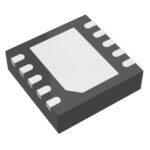 LT3972IDD#PBF
The activity of extra discounts on wholesale prices is in full swing…
Please fill in your contact information and we will send you the latest wholesale price list.





