ChipApex | Global Electronic Components Supplier

SEARCH
Search Product
Search Post
— IC芯片 | 连接器 | 传感器 | 被动器件 —
Search productSearch post
— IC芯片 | 连接器 | 传感器 | 被动器件 —
Consult the customer manager about the wholesale price.
consultation hotline:86-132-6715-2157
email:[email protected]
Contact the product manager for consultation. One-stop consultation is available.
Do you want a lower wholesale price? Please send us your inquiry and we will reply immediately.
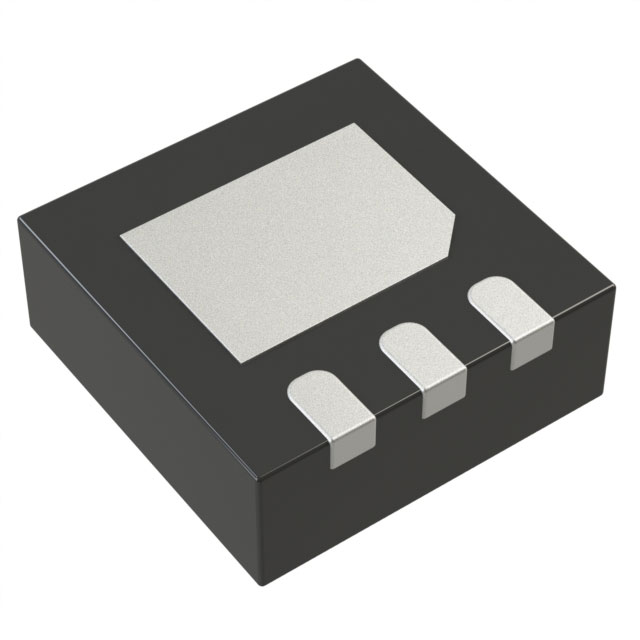
The LT6660JCDC-3 is a micropower series voltage reference from Analog Devices, housed in a compact 3-lead 2mm × 2mm × 0.75mm DFN package. It provides a fixed output voltage of 3V with an initial accuracy tolerance of ±0.4%. The device features a maximum temperature coefficient of 20ppm/°C and guarantees an output current capability of up to 20mA. Supply current typically ranges from 145µA to 220µA depending on input voltage conditions. It operates within an input voltage range of VOUT + 0.9V to 20V and supports specified performance over a temperature range of 0°C to 70°C.
Verify the specific ordering suffix against official documentation to confirm lead-free status and tape-and-reel packaging configuration. Confirm that the component meets RoHS compliance requirements for the intended market. Ensure the selected part number corresponds to the correct temperature grade and accuracy tier required by the design specifications before finalizing procurement.
Select this component when a balance of small footprint and micropower consumption is critical. The JCDC variant offers a 0.4% accuracy tolerance suitable for general precision applications. Consider the dropout voltage requirements relative to the minimum input voltage available in the system. Evaluate thermal management needs if operating near maximum load currents to maintain junction temperature limits.
The LT6660 family serves as a space-saving alternative to larger packages like the LT1460, offering similar performance in a significantly reduced 2mm × 2mm DFN form factor. It competes in the tiny micropower precision series reference segment, targeting applications where board area and battery life are primary constraints compared to traditional shunt references.
LT6660HCDC-3
No, the LT6660 family is designed to be stable without an output compensation capacitor, which allows for faster settling times and reduced board space usage.
The LT6660 is guaranteed to supply up to 20mA of output current while maintaining excellent line regulation characteristics.
 LT6660JCDC-3

The activity of extra discounts on wholesale prices is in full swing…
Please fill in your contact information and we will send you the latest wholesale price list.