ChipApex | Global Electronic Components Supplier

SEARCH
Search Product
Search Post
— IC芯片 | 连接器 | 传感器 | 被动器件 —
Search productSearch post
— IC芯片 | 连接器 | 传感器 | 被动器件 —
Consult the customer manager about the wholesale price.
consultation hotline:86-132-6715-2157
email:[email protected]
Contact the product manager for consultation. One-stop consultation is available.
Do you want a lower wholesale price? Please send us your inquiry and we will reply immediately.
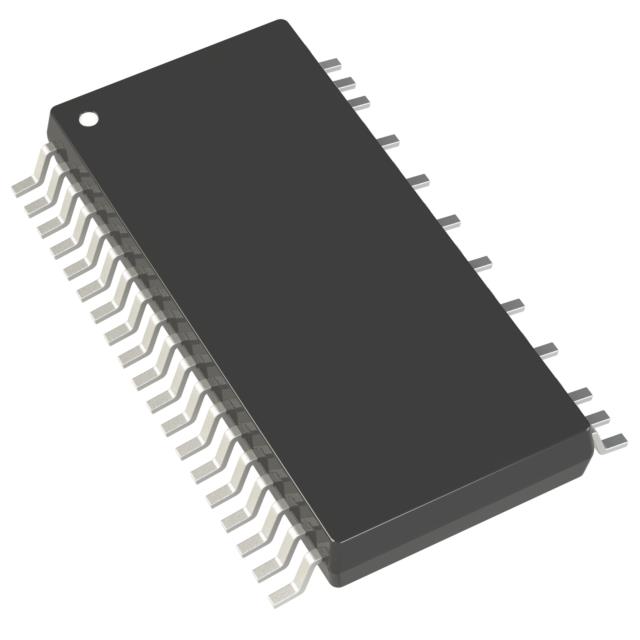
The LT8705AIFE#PBF is a synchronous 4-switch buck-boost DC/DC controller manufactured by Analog Devices Inc. It operates within an input voltage range of 2.8V to 80V and supports output voltages from 1.3V to 80V. The device features a single inductor topology allowing VIN above, below, or equal to VOUT. It includes integrated gate drivers, input/output current feedback loops, and a synchronizable switching frequency up to 400kHz. The component is housed in a 38-TSSOP-EP package and functions across a temperature range of -40°C to +125°C.
Verify the specific suffix #PBF indicates tube packaging rather than reel packaging when reviewing distributor listings. Confirm that the ordering part number matches the exact thermal pad and pinout requirements for the target PCB footprint. Ensure compatibility with the required operating temperature range and check for any recent production change notices regarding material composition or bond wire changes before finalizing procurement.
Select this controller for designs requiring wide input voltage ranges exceeding standard buck or boost limits. It serves as a pin-compatible upgrade to the LT8705, offering improved performance characteristics. Consider the MODE pin functionality for selecting between Burst Mode, discontinuous, or continuous conduction modes at light loads. Evaluate the need for external synchronization if multiple converters are used in close proximity to minimize EMI.
This component belongs to the LT8705A series of high-performance buck-boost switching regulator controllers. It is designed to operate with input voltages above, below, or equal to the regulated output voltage. The LT8705A is an improved version of the original LT8705 and is recommended for new designs due to enhanced specifications while maintaining pin compatibility.
The LT8705AIFE#TRPBF is a compatible alternative available in tape and reel packaging instead of tubes. Designers upgrading from the LT8705 should verify pin compatibility and review the specific differences outlined in the applications information section of the datasheet.
 LT8705AIFE#PBF

The activity of extra discounts on wholesale prices is in full swing…
Please fill in your contact information and we will send you the latest wholesale price list.