ChipApex | Global Electronic Components Supplier

SEARCH
Search Product
Search Post
— IC芯片 | 连接器 | 传感器 | 被动器件 —
Search productSearch post
— IC芯片 | 连接器 | 传感器 | 被动器件 —
Consult the customer manager about the wholesale price.
consultation hotline:86-132-6715-2157
email:[email protected]
Contact the product manager for consultation. One-stop consultation is available.
Do you want a lower wholesale price? Please send us your inquiry and we will reply immediately.
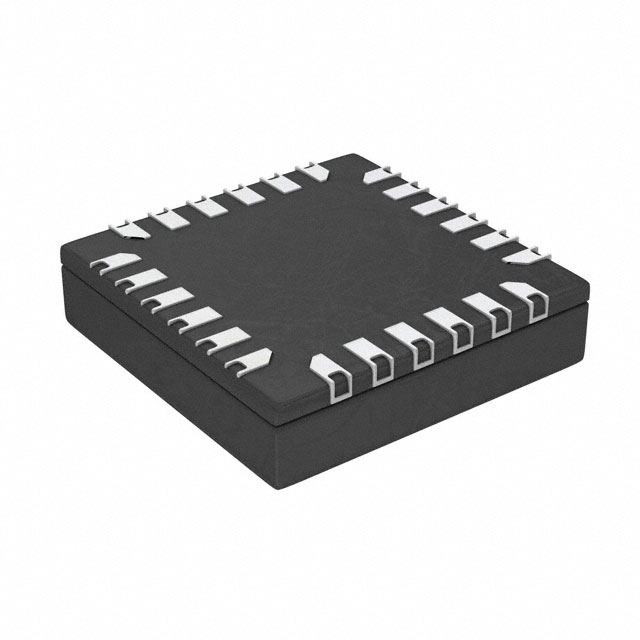
The LV8402GP-TE-L-H is a two-channel forward/reverse motor driver IC manufactured by ON Semiconductor, formerly Sanyo Denki. It utilizes D-MOS FET technology for the output stage, enabling support for PWM input signals. The device functions as a brush DC motor controller with a specified current capacity of 2.5A and employs BICMOS circuitry for internal logic processing.
Verify component authenticity through authorized distributors or direct manufacturer channels. Confirm that the part number suffix matches the specific tape-and-reel packaging variant if required. Cross-reference the datasheet revision date to ensure compatibility with current design specifications. Validate that the source documentation explicitly identifies the manufacturer as ON Semiconductor or its predecessor entities to avoid counterfeit risks.
Select this component when designing circuits requiring independent control of two brushed DC motors with bidirectional rotation capabilities. Ensure the application demands a 2.5A current rating and compatible voltage levels. Verify that the system architecture supports PWM signal inputs for dynamic speed adjustment. Consider the thermal management requirements associated with D-MOS FET output stages under continuous load conditions.
This component belongs to the LV8402 series of motor drivers originally developed by Sanyo Denki. Following corporate restructuring, production and intellectual property were transferred to ON Semiconductor. The part remains an active solution for low-to-medium power motor control applications, maintaining the functional characteristics established in the original Sanyo semiconductor portfolio.
Public notifications indicate potential assembly and test site transfers from Kanto Sanyo Semiconductors to ON Semiconductor. No alternative product delivery announcements are confirmed for this specific part number in available records. Verify electrical pinouts and package dimensions against any revised datasheets issued by ON Semiconductor before substitution.
 LV8402GP-TE-L-H

The activity of extra discounts on wholesale prices is in full swing…
Please fill in your contact information and we will send you the latest wholesale price list.