ChipApex | Global Electronic Components Supplier

SEARCH
Search Product
Search Post
— IC芯片 | 连接器 | 传感器 | 被动器件 —
Search productSearch post
— IC芯片 | 连接器 | 传感器 | 被动器件 —
Consult the customer manager about the wholesale price.
consultation hotline:86-132-6715-2157
email:[email protected]
Contact the product manager for consultation. One-stop consultation is available.
Do you want a lower wholesale price? Please send us your inquiry and we will reply immediately.
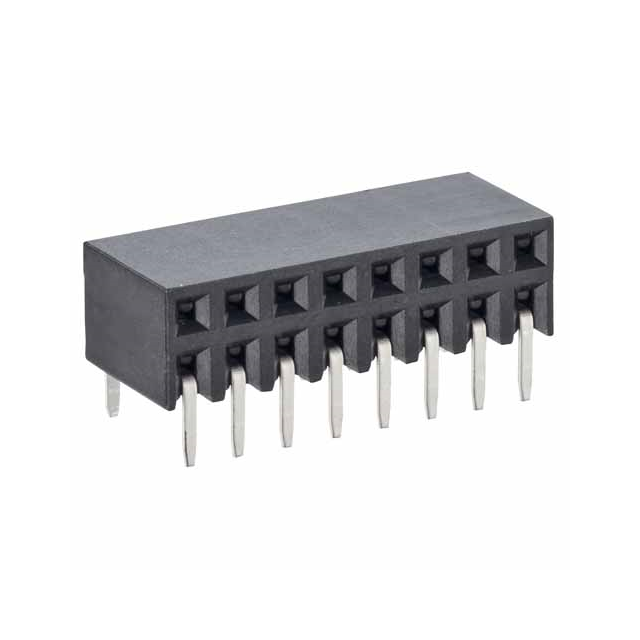
The Harwin M20-7881446 is a rectangular connector from the M20 series, classified as a header receptacle with female sockets. It features a dual in-line (DIL) configuration with 14 positions per row across two rows, totaling 28 contacts. The connector utilizes a 2.54 mm pitch for mating interfaces and is designed for horizontal mounting orientation. It employs through-hole termination for secure PCB attachment. The housing is constructed from black polyamide material rated UL94 V-0 for flammability. Electrical specifications include a current rating of 3 Amperes per contact and an operating temperature range spanning from -40°C to +105°C.
Verify the specific suffix code against the official Harwin datasheet to confirm the exact pin count and orientation variant. Ensure compatibility with mating male headers regarding pitch and contact geometry. Check for RoHS compliance status if required by project regulations. Confirm availability through authorized distributors as lead times may vary.
Select this component when a horizontal female socket arrangement is required for space-constrained designs. The 2.54 mm pitch aligns with standard industry spacing for legacy and general-purpose connectors. Consider the 3A current rating for power distribution needs within the specified thermal envelope. Verify that the through-hole mounting style matches the target PCB fabrication capabilities.
This part belongs to the Harwin M20 series, a widely used line of rectangular connectors known for reliability and versatility. The M20 family offers various configurations including vertical and horizontal orientations with different pin counts. This specific model represents the horizontal socket variant, complementing the series' male header counterparts for complete interconnect solutions.
Direct substitutes must match the 2.54 mm pitch, 14+14 position count, horizontal orientation, and female socket type. Verify that alternative manufacturers provide identical housing dimensions and terminal locking mechanisms to ensure mechanical interchangeability without PCB redesign.
 M20-7881446

The activity of extra discounts on wholesale prices is in full swing…
Please fill in your contact information and we will send you the latest wholesale price list.