ChipApex | Global Electronic Components Supplier

SEARCH
Search Product
Search Post
— IC芯片 | 连接器 | 传感器 | 被动器件 —
Search productSearch post
— IC芯片 | 连接器 | 传感器 | 被动器件 —
Consult the customer manager about the wholesale price.
consultation hotline:86-132-6715-2157
email:[email protected]
Contact the product manager for consultation. One-stop consultation is available.
Do you want a lower wholesale price? Please send us your inquiry and we will reply immediately.
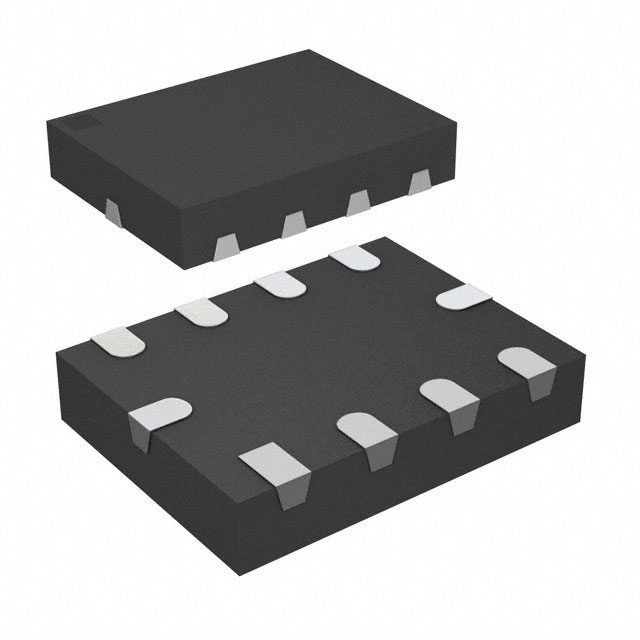
The MAX14637EVB+ is a USB charge detector integrated circuit designed for battery management and power supply support applications. It operates within a supply voltage range of 3.5V to 5.5V, accommodating single-cell Li-ion batteries with a nominal voltage of 3.7V. The device features a low supply current of 150µA and functions reliably across an operating temperature range of -40°C to +85°C. Packaged in a compact 10-UTQFN (1.6x2.1) surface-mount format, it is intended for use in USB peripherals and portable electronic devices requiring efficient charger detection.
Verify the specific part number suffix against official Analog Devices documentation to confirm package type and tape-and-reel specifications. Ensure compatibility with existing PCB footprints and thermal requirements. Confirm end-of-life status and availability through authorized distributors, as this component may be subject to obsolescence notices. Cross-reference datasheet revisions to ensure design integrity.
Select this component for designs requiring robust USB charger detection with high noise immunity. The low quiescent current makes it suitable for battery-powered applications where efficiency is critical. Consider the 10-UTQFN package size for space-constrained layouts. Evaluate the operating temperature range against environmental conditions to ensure reliability under extreme cold or heat scenarios.
This device belongs to the Maxim Integrated line of power management ICs, now part of Analog Devices Inc. It serves as a specialized solution for detecting USB charging sources in mobile and embedded systems. The EVB designation typically indicates an evaluation board variant, but the core IC functionality remains focused on charge detection and power path management for portable devices.
Check for direct cross-reference part numbers from Analog Devices or other manufacturers offering equivalent USB charge detector functionality. Verify pinout compatibility and electrical parameter alignment before substitution. Consider lead time and availability constraints when evaluating alternative components for production continuity.
 MAX14637EVB+

The activity of extra discounts on wholesale prices is in full swing…
Please fill in your contact information and we will send you the latest wholesale price list.