 ChipApex | Global Electronic Components Supplier

SEARCH
Search Product
Search Post
— IC芯片 | 连接器 | 传感器 | 被动器件 —
Search productSearch post
— IC芯片 | 连接器 | 传感器 | 被动器件 —
Consult the customer manager about the wholesale price.
consultation hotline:86-132-6715-2157
email:[email protected]
Contact the product manager for consultation. One-stop consultation is available.
Do you want a lower wholesale price? Please send us your inquiry and we will reply immediately.
The MAX1621EEE is a digitally adjustable LCD bias supply and power management IC manufactured by Analog Devices Inc./Maxim Integrated. It provides regulated voltage outputs specifically designed for driving liquid crystal displays, ensuring stable bias voltages across varying temperature conditions. The device integrates digital control interfaces to adjust output levels, simplifying system design by eliminating the need for external potentiometers or complex resistor networks. Packaged in a 16-pin QSOP format, it supports surface-mount installation for compact electronic assemblies.
Verify component authenticity through authorized distributors or direct manufacturer channels. Confirm RoHS compliance status and specific suffix variations such as +T for tape-and-reel packaging versus tube packaging. Check current availability status as supply constraints may affect lead times. Ensure the part number matches the exact package type required for your PCB layout.
Select this component when designing systems requiring digitally controlled LCD bias voltages. Consider the 16-QSOP package size for space-constrained applications. Evaluate the digital interface requirements against your microcontroller's capabilities. Verify that the integrated power management features align with your system's power sequencing needs without requiring additional external components.
The MAX1621EEE belongs to the Maxim Integrated family of display driver and power management solutions. It complements other RS-232 transceivers and interface ICs offered by Analog Devices, focusing specifically on display technology support. This series addresses the growing demand for efficient, digitally controllable power solutions in modern portable and industrial display applications.
Check for direct cross-reference part numbers from Analog Devices or compatible third-party manufacturers offering similar LCD bias functionality. Verify pin compatibility and electrical specifications before substitution. Note that some listings indicate obsolete status for certain variants, requiring careful evaluation of long-term availability.
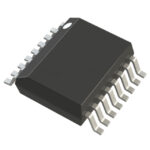 MAX1621EEE

The activity of extra discounts on wholesale prices is in full swing…
Please fill in your contact information and we will send you the latest wholesale price list.





