ChipApex | Global Electronic Components Supplier

SEARCH
Search Product
Search Post
— IC芯片 | 连接器 | 传感器 | 被动器件 —
Search productSearch post
— IC芯片 | 连接器 | 传感器 | 被动器件 —
Consult the customer manager about the wholesale price.
consultation hotline:86-132-6715-2157
email:[email protected]
Contact the product manager for consultation. One-stop consultation is available.
Do you want a lower wholesale price? Please send us your inquiry and we will reply immediately.
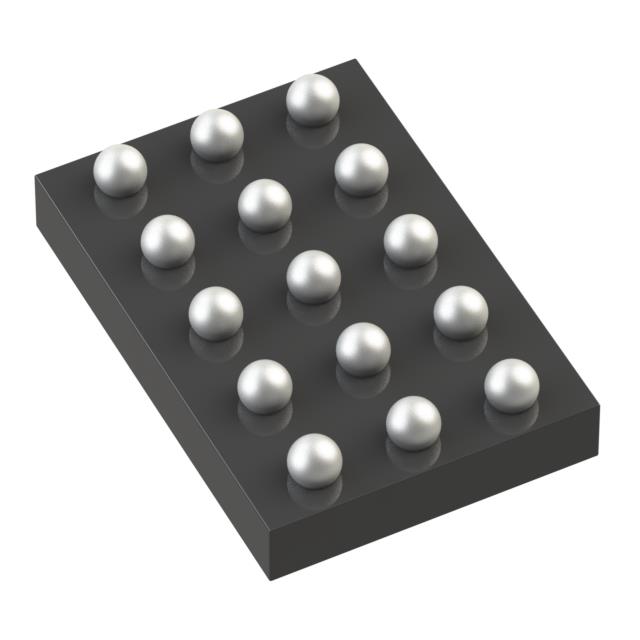
The MAX17313X+ is a ModelGauge m5 EZ fuel gauge IC designed for single-cell lithium-ion or polymer battery packs. It integrates a protector and optional SHA-256 authentication to monitor voltage, current, temperature, and state of charge. The device provides comprehensive protection against over/undervoltage, overcurrent, short-circuit, and thermal faults using external high-side N-FETs. It employs the ModelGauge m5 algorithm for accurate state-of-charge estimation in milliampere-hours or percentage across wide operating conditions.
Verify the specific suffix 'X+' against official Analog Devices documentation to confirm package type and tape/reel specifications. Confirm availability status as product lifecycles may change. Ensure compatibility with external high-side N-FET selection for the intended protection thresholds. Validate that the required SHA-256 authentication features are enabled if anti-cloning security is necessary for the application.
Select this component when high-accuracy state-of-charge monitoring is critical for single-cell Li-ion/polymer systems. Consider the integration of protection logic and authentication features to reduce external component count. Evaluate the need for SHA-256 security based on intellectual property protection requirements. Ensure the system supports the required 1-Wire or I2C communication protocols for register access.
The MAX17313X+ belongs to the MAX17301–MAX17313 family of ModelGauge m5 EZ fuel gauges. This series is engineered for portable electronics requiring precise battery management. The X+ designation typically indicates a specific package variant within the broader MAX173xx lineup, which also includes options like TDFN and WLP packages depending on space constraints.
Check for MAX17301 through MAX17313 variants with compatible packages and authentication features. Verify pinout and software register compatibility before substitution. Ensure the alternative part supports the same external FET configuration and communication interface requirements.
 MAX17313X+

The activity of extra discounts on wholesale prices is in full swing…
Please fill in your contact information and we will send you the latest wholesale price list.