ChipApex | Global Electronic Components Supplier

SEARCH
Search Product
Search Post
— IC芯片 | 连接器 | 传感器 | 被动器件 —
Search productSearch post
— IC芯片 | 连接器 | 传感器 | 被动器件 —
Consult the customer manager about the wholesale price.
consultation hotline:86-132-6715-2157
email:[email protected]
Contact the product manager for consultation. One-stop consultation is available.
Do you want a lower wholesale price? Please send us your inquiry and we will reply immediately.
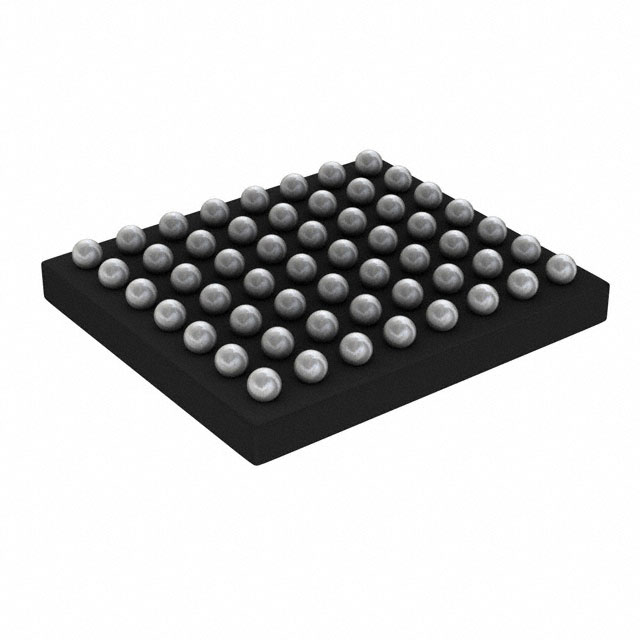
The MAX20303HEWN+T is a specialized power management integrated circuit (PMIC) designed for ultra-low-power wearable applications. It integrates multiple programmable DC-DC converters and low-dropout regulators to optimize system efficiency while minimizing the solution footprint. The device features micro-quiescent current regulators, including buck, boost, and LDO stages, tailored for battery-operated environments. Key capabilities include intelligent power path management, Li-ion battery charging, and tactile driving functions. It supports various display interfaces and includes safety features such as output over-voltage protection and thermal regulation.
Verify the exact suffix and package type against the manufacturer's latest datasheet before ordering. Confirm availability status as supply may be limited or subject to allocation. Ensure compatibility with existing board layout and thermal requirements. Check for RoHS compliance documentation if required by your manufacturing standards. Validate that the specific variant matches your design-in requirements for pinout and functionality.
Select this component when designing systems where space constraints and battery longevity are critical priorities. It is suitable for applications requiring multiple regulated rails from a single cell or USB source. Consider its integration of charging and tactile drivers to reduce bill of materials count. Evaluate the trade-off between the integrated solution complexity and the benefit of reduced external component count compared to discrete regulator designs.
This part belongs to the Maxim Integrated portfolio, now part of Analog Devices Inc., specializing in power management solutions. The MAX20303 series is engineered specifically for the wearable electronics market, addressing the need for high integration and low standby currents. It complements other Maxim products like the ModelGauge fuel gauges to provide complete power management stacks for portable devices.
Check for direct pin-to-pin replacements within the same family, such as variants with different temperature grades or packaging options. Verify functional equivalence if substituting with older revisions or newer generations. Ensure that any alternative PMIC meets the same quiescent current and output current specifications for your specific application loads.
 MAX20303HEWN+T

The activity of extra discounts on wholesale prices is in full swing…
Please fill in your contact information and we will send you the latest wholesale price list.