 ChipApex | Global Electronic Components Supplier

SEARCH
Search Product
Search Post
— IC芯片 | 连接器 | 传感器 | 被动器件 —
Search productSearch post
— IC芯片 | 连接器 | 传感器 | 被动器件 —
Consult the customer manager about the wholesale price.
consultation hotline:86-132-6715-2157
email:[email protected]
Contact the product manager for consultation. One-stop consultation is available.
Do you want a lower wholesale price? Please send us your inquiry and we will reply immediately.
The MAX6340UK28 is a low-power microprocessor supervisor circuit manufactured by Analog Devices Inc./Maxim Integrated. It monitors system voltages ranging from 1.6V to 5V and asserts a reset signal when the supply voltage falls below its specific threshold of 2.8V. The device features an active-low, open-drain reset output with a fixed reset timeout delay of 4.375ms. It operates within a temperature range of -40°C to +125°C and consumes only 2.5µA of quiescent current. The component is housed in a compact 5-pin SOT-23 package suitable for surface-mount applications.
Verify availability status as distribution channels may indicate limited stock or discontinuation. Confirm RoHS compliance and lead times directly with authorized suppliers. Ensure the ordering suffix matches the required package and temperature grade. Cross-reference datasheet revisions to confirm pinout and electrical characteristics remain consistent with design requirements before finalizing procurement.
Select this component when a fixed threshold voltage near 2.8V is required without external adjustment. The open-drain output allows flexibility in interfacing with various logic families. Consider the fixed timeout delay against application timing constraints. Evaluate the SOT-23-5 package size against board space limitations. Compare quiescent current specifications against other supervisors in the MAX6340 family for optimal power efficiency.
The MAX6340 belongs to a family of low-power microprocessor supervisor circuits designed to monitor single-supply voltages. These devices ensure reliable system operation by asserting a reset signal during brown-out conditions. The family includes variants with different thresholds, output types, and timeout delays. The MAX6340UK28 specifically provides a 2.8V threshold with a fixed timeout, distinguishing it from capacitor-adjustable counterparts like the MAX642x series.
Direct substitutes include other MAX6340 variants with compatible thresholds and output configurations. Verify pin compatibility and electrical parameters such as quiescent current and operating temperature range. Check for updated datasheets regarding any functional changes or package updates in newer revisions.
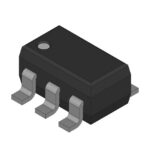 MAX6340UK28

The activity of extra discounts on wholesale prices is in full swing…
Please fill in your contact information and we will send you the latest wholesale price list.





