ChipApex | Global Electronic Components Supplier

SEARCH
Search Product
Search Post
— IC芯片 | 连接器 | 传感器 | 被动器件 —
Search productSearch post
— IC芯片 | 连接器 | 传感器 | 被动器件 —
Consult the customer manager about the wholesale price.
consultation hotline:86-132-6715-2157
email:[email protected]
Contact the product manager for consultation. One-stop consultation is available.
Do you want a lower wholesale price? Please send us your inquiry and we will reply immediately.
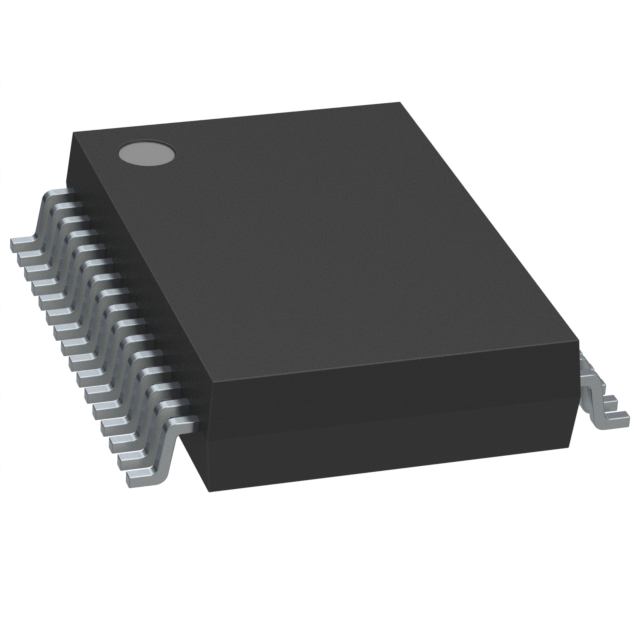
The MC33931EK is a half-bridge motor driver manufactured by NXP Semiconductors, designed for brushed DC motor applications. It operates within a supply voltage range of 5 V to 28 V and delivers an output current of 5 A. The device features current feedback and sleep mode functionality. It is housed in a 32-pin SOIC-Wide package with an exposed pad (SOICW-EP) and supports surface mount installation. The component functions reliably across an operating temperature range from -40 °C to +125 °C, with a typical quiescent supply current of 20 mA.
Verify the specific suffix EK against official NXP documentation to confirm package type and tape/reel specifications. Confirm RoHS compliance status and automotive qualification requirements prior to integration. Ensure ESD handling protocols are followed due to moisture sensitivity classification. Cross-reference the manufacturer part number with authorized distributor catalogs to validate authenticity and traceability.
Select this component when designing brushed DC motor interfaces requiring integrated half-bridge drive with current sensing capabilities. The wide input voltage range suits automotive and industrial environments. Consider the thermal performance of the SOICW-EP package for heat dissipation needs. Evaluate the 5 A continuous current rating against peak motor startup loads to ensure adequate headroom.
This device belongs to the MC33931 series of motor controllers and drivers. It complements NXP's portfolio of analog and mixed-signal ICs used alongside microcontrollers for automotive powertrain solutions. The component serves as a companion IC for engine management systems, providing robust low-side switching and bridge driving capabilities for actuators and motors.
The MC33932 is a documented alternative within the same family offering similar voltage and current ratings. Verify pin compatibility and functional equivalence before substitution. Consult official replacement guides to ensure interface and thermal characteristics align with the existing design constraints.
 MC33931EK

The activity of extra discounts on wholesale prices is in full swing…
Please fill in your contact information and we will send you the latest wholesale price list.