ChipApex | Global Electronic Components Supplier

SEARCH
Search Product
Search Post
— IC芯片 | 连接器 | 传感器 | 被动器件 —
Search productSearch post
— IC芯片 | 连接器 | 传感器 | 被动器件 —
Consult the customer manager about the wholesale price.
consultation hotline:86-132-6715-2157
email:[email protected]
Contact the product manager for consultation. One-stop consultation is available.
Do you want a lower wholesale price? Please send us your inquiry and we will reply immediately.
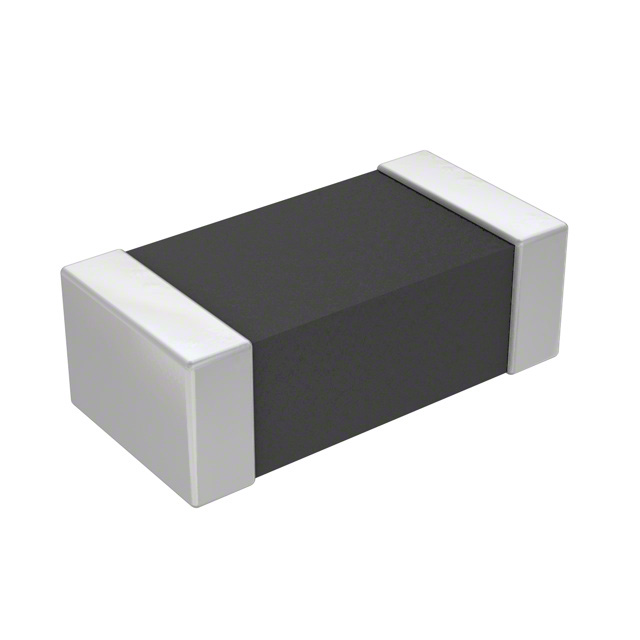
The MH2029-800Y is a high-current chip ferrite bead manufactured by Bourns Inc. It features an impedance of 80 ohms with a tolerance of ±25% at a standard test frequency. The component supports a maximum DC current rating of 3A and maintains a maximum DC resistance (DCR) of 40 milliohms. Designed for surface mount applications, it utilizes the 0805 (2012 Metric) package case with a maximum height of 1.10mm. The device operates reliably within a temperature range of -55°C to +125°C.
Verify the specific suffix 'Y' against the manufacturer's latest datasheet to confirm packaging configuration and compliance status. Ensure the selected impedance value aligns with target noise frequencies. Confirm that the 3A current rating exceeds peak operational loads to prevent saturation. Cross-reference the 0805 footprint dimensions with PCB layout requirements before finalizing procurement orders.
Select this component when circuit design requires significant current handling capability alongside moderate noise attenuation. The low DCR characteristic makes it suitable for power lines where voltage drop must be minimized. Consider the 0805 package size for space-constrained layouts requiring higher current capacity than smaller footprints allow. Evaluate thermal management needs given the high current operation and ambient temperature constraints.
This part belongs to the Bourns MH Series of high-current chip ferrite beads. The series is designed to address EMI/RFI suppression challenges in modern electronic systems where space and current capacity are critical constraints. The MH2029-800Y specifically targets applications needing reliable performance under high load conditions while maintaining signal integrity through effective broadband noise absorption.
Consult official substitution guides for equivalent impedance and current ratings. Verify mechanical compatibility including package dimensions and terminal configurations. Ensure thermal characteristics match original design specifications. Check for any changes in material composition or manufacturing processes that might affect long-term reliability.
 MH2029-800Y

The activity of extra discounts on wholesale prices is in full swing…
Please fill in your contact information and we will send you the latest wholesale price list.