ChipApex | Global Electronic Components Supplier
SEARCH
Search Product
Search Post
— IC芯片 | 连接器 | 传感器 | 被动器件 —
Search productSearch post
— IC芯片 | 连接器 | 传感器 | 被动器件 —
Consult the customer manager about the wholesale price.
consultation hotline:86-132-6715-2157
email:[email protected]
Contact the product manager for consultation. One-stop consultation is available.
Do you want a lower wholesale price? Please send us your inquiry and we will reply immediately.
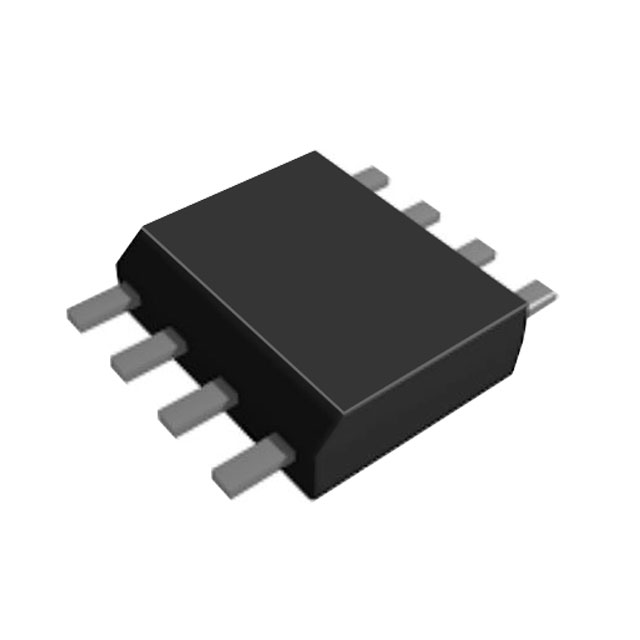
The MLX90297KZC-VAF-108-SP is a single-chip fan driver designed for driving single-coil brushless DC motors. It integrates a voltage regulator, Hall sensor with offset elimination, and an H-bridge power output controlled by a digital state machine. The device supports PWM input signals with a frequency range of 100 Hz to 100 kHz. It operates within a supply voltage range of 3.3 V to 18 V and provides an output current limit of 800 mA. Packaged in an SOIC-8 surface-mount format, it meets AEC-Q100 automotive qualification standards.
Verify the NRND (Not Recommended for New Designs) status before initiating any new procurement or design-in activities. Confirm that existing inventory levels meet project requirements as this component may be phased out. Ensure compatibility with current PCB layouts and BOM constraints given the discontinuation notice. Consult official Melexis documentation for final availability and lifecycle updates prior to ordering.
Select this component for applications requiring a compact, single-layer PCB solution for single-coil fan drivers. It is suitable where low BOM cost and small form factor are priorities. Verify that the 800 mA current limit and 3.3 V to 18 V operating range align with specific motor specifications. Consider the AEC-Q100 qualification if automotive reliability is required despite the NRND status.
This part belongs to the MLX90297 series of 12V PWM single-coil fan drivers from Melexis. It utilizes mixed-signal CMOS technology to provide a complete solution for controlling DC brushless motors. The series targets energy-efficient cooling designs in consumer and automotive sectors, offering integrated hall sensing and power drive capabilities in a minimal footprint.
Publicly confirmed substitute part numbers are not available in the provided source material. Due to the NRND status, alternative components should be evaluated based on pin compatibility, current ratings, and package dimensions. Review Melexis product selection guides for potential next-generation replacements.
 MLX90297KZC-VAF-108-SP
The activity of extra discounts on wholesale prices is in full swing…
Please fill in your contact information and we will send you the latest wholesale price list.