ChipApex | Global Electronic Components Supplier
SEARCH
Search Product
Search Post
— IC芯片 | 连接器 | 传感器 | 被动器件 —
Search productSearch post
— IC芯片 | 连接器 | 传感器 | 被动器件 —
Consult the customer manager about the wholesale price.
consultation hotline:86-132-6715-2157
email:[email protected]
Contact the product manager for consultation. One-stop consultation is available.
Do you want a lower wholesale price? Please send us your inquiry and we will reply immediately.
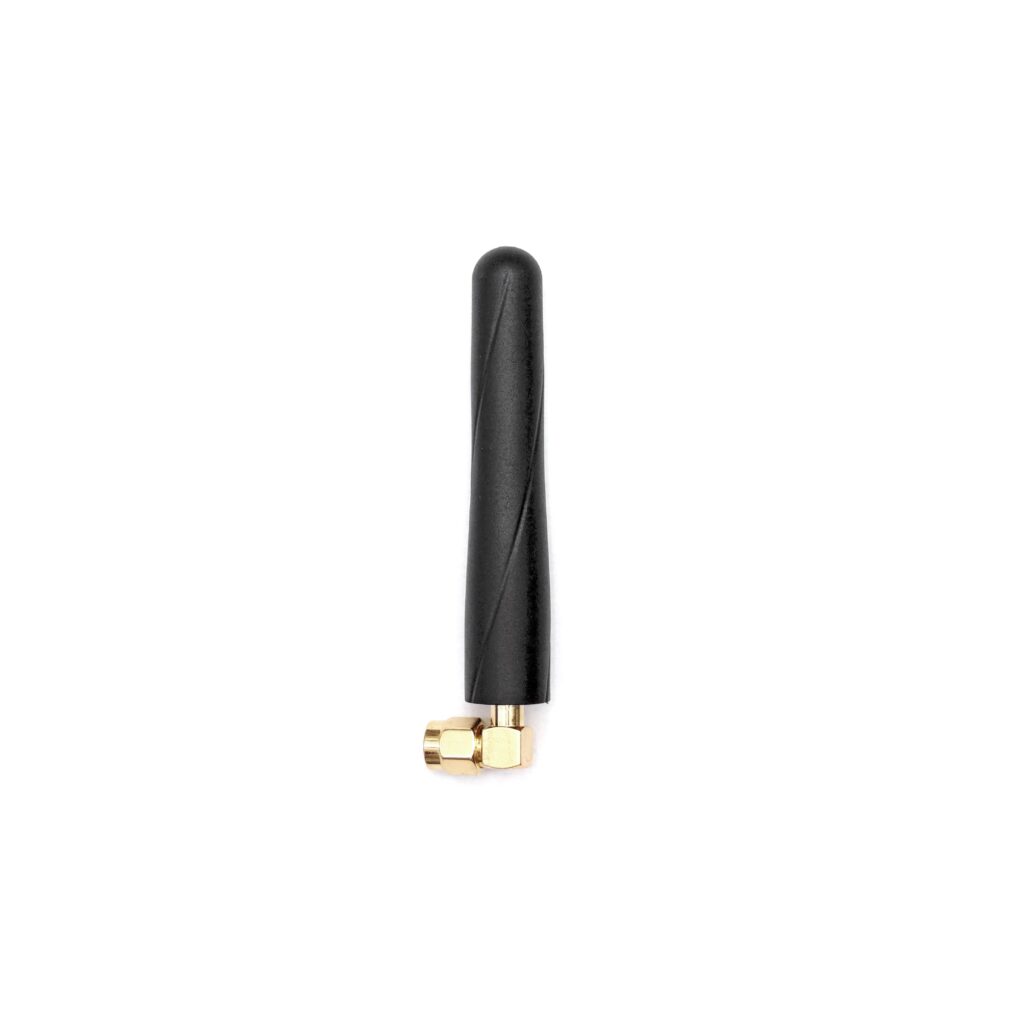
The MM-ANT-NM-868-10dBi-IOT is a general-purpose RF antenna manufactured by McGill Microwave Systems. It operates within the 865 MHz to 870 MHz frequency range, providing a gain of 10 dBi. The component features an N-type female connector and a panel mount termination style. Key electrical specifications include a Voltage Standing Wave Ratio (VSWR) of 1.5. The physical dimensions are characterized by a maximum height of 30.00 mm (1.181 inches). This single-band antenna is designed for IoT applications requiring reliable signal transmission in the specified ISM band.
Verify that the required connector gender matches the system cabling, as this unit specifies an N-type female termination. Confirm operational frequency alignment with the 865–870 MHz band to ensure regulatory compliance and optimal performance. Cross-reference the VSWR specification against system requirements to maintain signal integrity. Ensure mounting hardware supports the panel mount configuration described in official documentation.
Select this model when a fixed-gain omnidirectional radiation pattern is required for IoT deployments. The 10 dBi gain offers enhanced range compared to lower-gain variants like the 3 dBi or 4 dBi models within the same series. Consider the N-type female interface compatibility with existing coaxial cables. Evaluate the compact 30 mm height for space-constrained panel installations where larger whip antennas are unsuitable.
This antenna belongs to McGill Microwave Systems' MM-ANT-NM-868 series, which includes various gain options such as 3 dBi, 4 dBi, 8.5 dBi, and 9 dBi variants. These components share similar form factors and connector types but differ in gain specifications and intended application focus, such as LoRaWAN versus general IoT use. The series provides standardized solutions for sub-GHz wireless communication needs.
Direct substitutes within the same product line include the MM-ANT-NM-868-8.5dBi-IOT and MM-ANT-NM-868-9DBI. These alternatives offer slightly different gain characteristics while maintaining compatible connectors and mounting styles. Verify that the specific gain requirement of the application can be met by these lower-gain options without compromising coverage area.
 MM-ANT-NM-868-10dBi-IOT
The activity of extra discounts on wholesale prices is in full swing…
Please fill in your contact information and we will send you the latest wholesale price list.