ChipApex | Global Electronic Components Supplier

SEARCH
Search Product
Search Post
— IC芯片 | 连接器 | 传感器 | 被动器件 —
Search productSearch post
— IC芯片 | 连接器 | 传感器 | 被动器件 —
Consult the customer manager about the wholesale price.
consultation hotline:86-132-6715-2157
email:[email protected]
Contact the product manager for consultation. One-stop consultation is available.
Do you want a lower wholesale price? Please send us your inquiry and we will reply immediately.
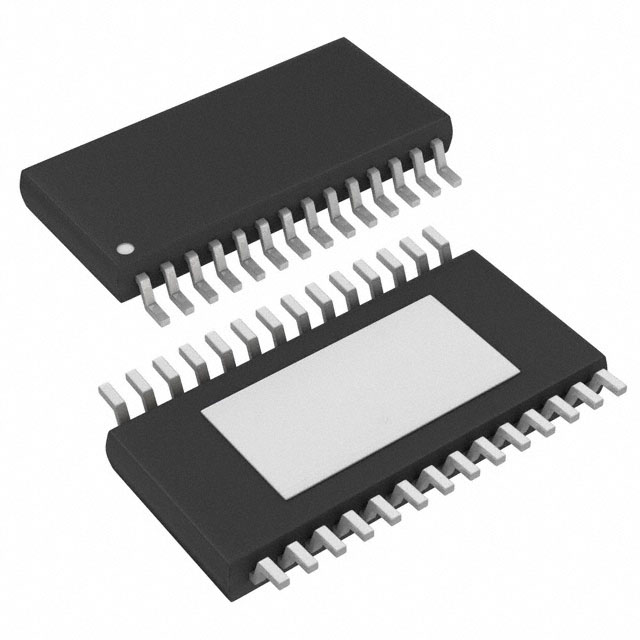
The MP3389EF-LF-P is a high-voltage boost WLED controller designed for driving up to 12 LED strings in large LCD panel backlight applications. It operates with an input voltage range of 5 V to 28 V and utilizes an external MOSFET to regulate output. The device features a fixed-frequency current control architecture with a nominal switching frequency of 590 kHz, adjustable via an external resistor. Each channel provides a maximum output current of 60 mA with a string-to-string matching accuracy of 2.5%. It supports PWM dimming and includes comprehensive protection mechanisms such as open LED detection, overvoltage protection, and thermal shutdown.
Verify the specific suffix designation when sourcing, as package variations exist within the MP3389 family. Confirm that the required operating temperature range aligns with the EF variant specifications. Ensure compatibility with the intended external MOSFET selection for the boost topology. Check for updated lifecycle status as components may transition to recommended new designs.
Select this component for applications requiring independent regulation of numerous LED strings with tight current matching requirements. The fixed-frequency operation simplifies electromagnetic interference filtering compared to variable frequency alternatives. Consider the TSSOP-28 package constraints for thermal management in dense PCB layouts. Validate that the input voltage range covers the minimum system supply under all load conditions.
This part belongs to the MP3389 series of monolithic power systems designed specifically for white LED driver applications. The series focuses on providing balanced current distribution for multi-string configurations commonly found in display technologies. The EF suffix typically denotes a specific temperature grade and packaging option within the broader product line.
Public documentation indicates the MP3394S as a recommended alternative for new designs. Verify pinout compatibility and electrical parameter alignment before substitution. Assess whether the reduced channel count of potential replacements meets the application's lighting requirements.
 MP3389EF-LF-P

The activity of extra discounts on wholesale prices is in full swing…
Please fill in your contact information and we will send you the latest wholesale price list.