ChipApex | Global Electronic Components Supplier

SEARCH
Search Product
Search Post
— IC芯片 | 连接器 | 传感器 | 被动器件 —
Search productSearch post
— IC芯片 | 连接器 | 传感器 | 被动器件 —
Consult the customer manager about the wholesale price.
consultation hotline:86-132-6715-2157
email:[email protected]
Contact the product manager for consultation. One-stop consultation is available.
Do you want a lower wholesale price? Please send us your inquiry and we will reply immediately.
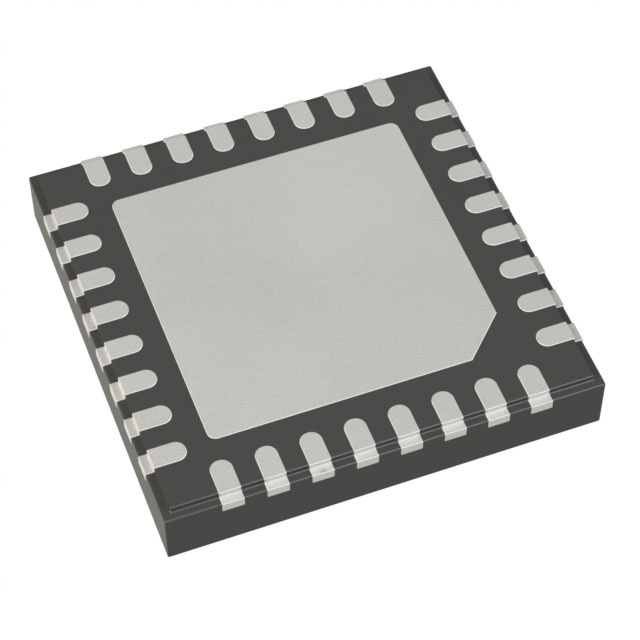
The MPF5200AMMG0ES is a multi-channel Power Management IC (PMIC) from the PF5200 series, designed for high-performance automotive applications. It features a pre-programmed configuration with three step-down DC/DC converters and one Low Dropout (LDO) regulator. The device supports an input voltage range of 2.7 V to 5.5 V and delivers up to 8 A output current. It operates within a temperature range of -40°C to +125°C and is housed in a HWQFN-32 package. This component meets QM safety level requirements.
Verify the specific safety level designation (QM) against project requirements, as other variants in the PF5200 series offer different safety certifications such as ASIL-B. Confirm that the HWQFN-32 package dimensions align with the target PCB layout constraints. Ensure compatibility with the specified input voltage range of 2.7 V to 5.5 V for the intended application environment. Cross-reference the pre-programmed settings with system power rail requirements to avoid post-production reconfiguration issues.
Select this variant when a QM safety level is sufficient for the application, distinguishing it from higher-safety ASIL-rated counterparts like the AMBA1ES. Consider the pre-programmed nature if rapid time-to-market is prioritized over full programmability. Evaluate the total output current capability of 8 A against peak load demands. Assess the thermal performance within the HWQFN-32 package for the expected ambient conditions.
This component belongs to the PF5200 family of multi-channel PMICs developed by NXP Semiconductors. The family is tailored for automotive use cases, offering configurable power solutions. The MPF5200AMMG0ES specifically represents the QM safety grade variant, providing a balance of functionality and cost-effectiveness for non-critical or lower-safety-assurance-level automotive subsystems compared to its ASIL-B siblings.
The MPF5200AMBA1ES is a pin-compatible alternative within the same PF5200 series but offers ASIL-B safety certification instead of QM. Designers must verify if the increased safety level is required and adjust validation processes accordingly. Other family members may differ in output configurations or safety ratings, necessitating careful review of datasheet specifications before substitution.
 MPF5200AMMG0ES

The activity of extra discounts on wholesale prices is in full swing…
Please fill in your contact information and we will send you the latest wholesale price list.