ChipApex | Global Electronic Components Supplier

SEARCH
Search Product
Search Post
— IC芯片 | 连接器 | 传感器 | 被动器件 —
Search productSearch post
— IC芯片 | 连接器 | 传感器 | 被动器件 —
Consult the customer manager about the wholesale price.
consultation hotline:86-132-6715-2157
email:[email protected]
Contact the product manager for consultation. One-stop consultation is available.
Do you want a lower wholesale price? Please send us your inquiry and we will reply immediately.
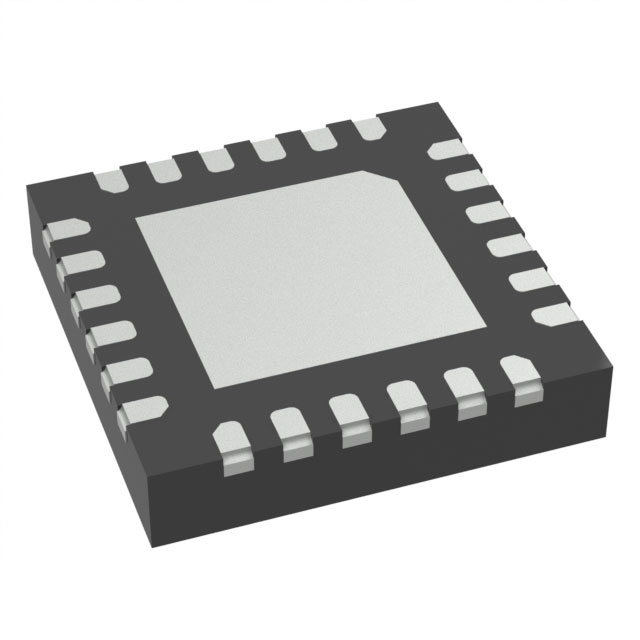
The MPQ7795GRE-AEC1-Z is a single-channel, mono bridge-tied load (BTL) Class-D audio amplifier manufactured by Monolithic Power Systems. It delivers 24.5 W of output power and operates with an analog input type. The device supports a supply voltage range from 4.5 V to 36 V and drives loads between 2 Ohms and 16 Ohms. Key electrical specifications include a gain of 20 dB and a total harmonic distortion plus noise of 0.38%. It utilizes a 2.2 MHz switching frequency for low electromagnetic interference and features integrated diagnostics. The component is housed in a QFN-24 package and is qualified under the AEC-Q100 standard.
Verify the complete part number including the suffix to ensure correct packaging and automotive grade compliance. Confirm that the specific revision matches the required datasheet version for accurate pinout and electrical characteristics. Cross-reference the manufacturer's official documentation to validate RoHS status and environmental declarations before finalizing procurement orders.
Select this component when designing high-power mono audio channels requiring automotive-grade reliability. Ensure the power supply architecture supports the specified 4.5 V to 36 V operating range. Verify that the thermal management solution accommodates the QFN-24 package constraints. Confirm compatibility with the 20 dB fixed gain requirement and the target load impedance range of 2 to 16 Ohms.
This device belongs to the MPQ7795 series of audio amplifiers from Monolithic Power Systems. The series includes variants such as the MPQ7795AGRE-AEC1-Z. These components are designed specifically for demanding automotive environments where low EMI and high power efficiency are critical requirements for modern vehicle audio architectures.
The MPQ7795AGRE-AEC1-Z is a related variant within the same product family. Verify functional equivalence and pin compatibility before substitution. Consult the manufacturer's official cross-reference data to confirm that all electrical parameters and package dimensions align with the current design requirements.
 MPQ7795GRE-AEC1-Z

The activity of extra discounts on wholesale prices is in full swing…
Please fill in your contact information and we will send you the latest wholesale price list.