ChipApex | Global Electronic Components Supplier
SEARCH
Search Product
Search Post
— IC芯片 | 连接器 | 传感器 | 被动器件 —
Search productSearch post
— IC芯片 | 连接器 | 传感器 | 被动器件 —
Consult the customer manager about the wholesale price.
consultation hotline:86-132-6715-2157
email:[email protected]
Contact the product manager for consultation. One-stop consultation is available.
Do you want a lower wholesale price? Please send us your inquiry and we will reply immediately.
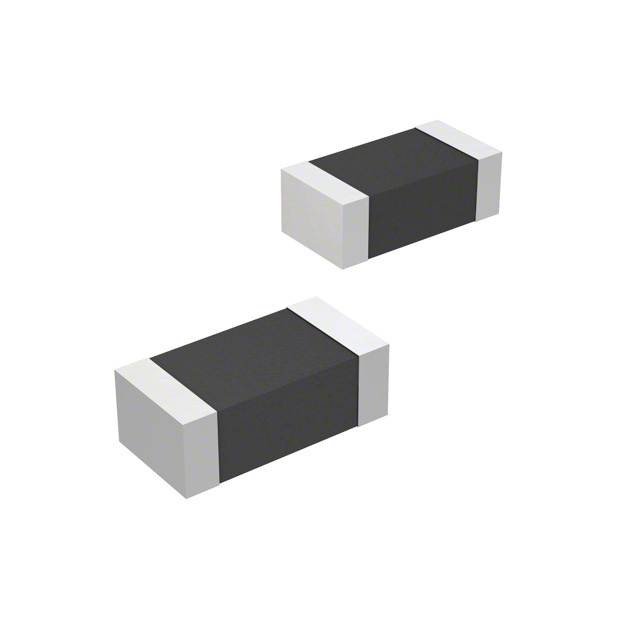
The MU3261-122Y is a high impedance ferrite chip bead manufactured by Bourns Inc. in the MU series. It features an SMD/SMT termination style within a 1206 (3216 metric) package, measuring 3.2 mm in length and 1.6 mm in width. The component provides an impedance of 1200 ohms at 100 MHz with a tolerance of 25%. It supports a maximum DC current of 900 mA and has a maximum DC resistance of 150 mohms. The device operates reliably within a temperature range of -55°C to +125°C.
Verify the specific part number MU3261-122Y against official manufacturer documentation to confirm availability status. Some sources indicate this specific variant may be End-of-Life or discontinued. Ensure compatibility with design requirements before procurement. Cross-reference datasheets from authorized distributors to validate current stock levels and lead times. Confirm RoHS compliance details as per the latest product specifications.
Select this component when high impedance at 100 MHz is required for noise filtering. The 1206 package offers a balance between size and current handling capability. Consider the 900 mA current rating for power line applications. Verify thermal management needs given the wide operating temperature range. Compare impedance characteristics against other ferrite beads in the MU series for optimal circuit performance.
This ferrite bead belongs to Bourns' MU series of high impedance chip beads. The series includes various impedance values tailored for different frequency suppression needs. The MU3261-122Y specifically targets higher impedance requirements compared to lower value variants like the 120 ohm version. It shares the same physical dimensions and general electrical characteristics with other parts in the 1206 package family.
Public confirmed substitute part numbers are not available in the provided data. Check for direct replacements within the MU3261 series such as MU3261-121Y or MU3261-221Y if impedance differences are acceptable. Consult manufacturer guidelines for cross-referencing alternatives.
 MU3261-122Y
The activity of extra discounts on wholesale prices is in full swing…
Please fill in your contact information and we will send you the latest wholesale price list.