 ChipApex | Global Electronic Components Supplier
SEARCH
Search Product
Search Post
— IC芯片 | 连接器 | 传感器 | 被动器件 —
Search productSearch post
— IC芯片 | 连接器 | 传感器 | 被动器件 —
Consult the customer manager about the wholesale price.
consultation hotline:86-132-6715-2157
email:[email protected]
Contact the product manager for consultation. One-stop consultation is available.
Do you want a lower wholesale price? Please send us your inquiry and we will reply immediately.
The NOJC476M010RWJ is a solid niobium oxide capacitor from the OxiCap® NOJ series, manufactured by KYOCERA AVX. It features a capacitance of 47 µF with a DC voltage rating of 10 V and a tolerance of ±20%. The component utilizes a surface-mount 2312 (6032 metric) package, measuring 6.0 mm in length, 3.2 mm in width, and 2.6 mm in height. Key electrical parameters include an equivalent series resistance (ESR) of 400 mΩ, a dissipation factor of 6%, and a maximum leakage current of 1.7 µA. It operates within a temperature range of -55°C to +105°C and complies with AEC-Q200 automotive standards.
Verify the specific suffix 'WJ' against the manufacturer's official datasheet to confirm packaging details and tape-and-reel specifications. Ensure that the niobium oxide material properties align with the circuit requirements, particularly regarding surge current handling capabilities which differ from tantalum alternatives. Confirm RoHS compliance status through the latest product documentation provided by KYOCERA AVX prior to finalizing procurement orders.
Select this component when a higher volumetric efficiency than tantalum is required while maintaining automotive-grade reliability. The 400 mΩ ESR value should be evaluated against the ripple current requirements of the application. Consider the 105°C maximum operating temperature limit for thermal management design. This part serves as a direct alternative to tantalum capacitors where size reduction is critical without sacrificing capacitance density.
The NOJC476M010RWJ belongs to the OxiCap® NOJ series, representing KYOCERA AVX's niobium oxide capacitor line. This series addresses the need for smaller form factors in modern electronics. The 2312 case size provides a balance between capacitance capacity and physical footprint, making it suitable for dense PCB layouts in portable and automotive devices.
TAJD476M010RNJ
The maximum operating temperature is +105°C.
Yes, the NOJC476M010RWJ complies with AEC-Q200 automotive qualification standards.
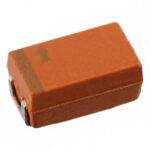 NOJC476M010RWJ
The activity of extra discounts on wholesale prices is in full swing…
Please fill in your contact information and we will send you the latest wholesale price list.




