ChipApex | Global Electronic Components Supplier
SEARCH
Search Product
Search Post
— IC芯片 | 连接器 | 传感器 | 被动器件 —
Search productSearch post
— IC芯片 | 连接器 | 传感器 | 被动器件 —
Consult the customer manager about the wholesale price.
consultation hotline:86-132-6715-2157
email:[email protected]
Contact the product manager for consultation. One-stop consultation is available.
Do you want a lower wholesale price? Please send us your inquiry and we will reply immediately.
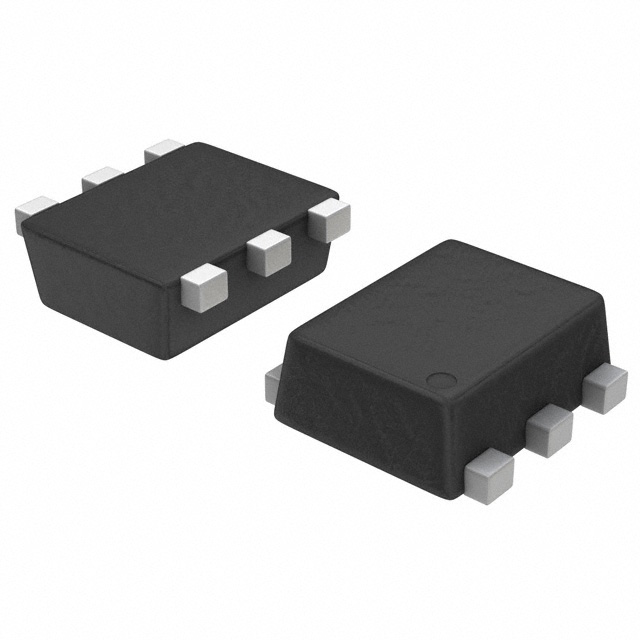
The NSBC114EPDP6T5G is a smart high-side switch manufactured by onsemi, designed for automotive applications. It integrates four independent channels within a compact D2PAK-7 package. The device provides robust protection features including overcurrent, overload, and thermal shutdown capabilities. It supports PWM dimming for load control and includes diagnostic feedback via an open-drain output. Operating with a supply voltage range of 4.5V to 28V, it handles continuous currents up to 3A per channel with peak capabilities exceeding standard loads. The component ensures system reliability through precise current limiting and short-circuit protection mechanisms.
Verify the exact ordering part number against the manufacturer's official documentation to ensure correct suffix alignment. Confirm that the D2PAK-7 package type matches your PCB footprint requirements. Check for specific temperature grade variations if operating in extreme automotive environments. Ensure compliance with automotive quality standards required by your final assembly specifications.
Select this component when requiring multiple high-side outputs in a single package to save board space. Consider its 3A continuous current rating for driving moderate power loads directly. Evaluate the need for integrated diagnostic feedback if system monitoring is critical. Compare thermal performance characteristics against alternative packages if heat dissipation constraints are tight.
This device belongs to onsemi's Smart High-Side Switch family, specifically engineered for automotive electronics. It complements other devices in the series offering varying channel counts and current ratings. The NSBC114EPDP6T5G serves as a direct replacement for legacy discrete solutions or older generation smart switches in automotive lighting and actuator control applications.
Consult onsemi's official cross-reference guides for verified pin-compatible alternatives. Verify that any substitute maintains the same D2PAK-7 package and electrical specifications. Ensure compatibility with existing control logic levels and diagnostic signal requirements before substitution.
 NSBC114EPDP6T5G
The activity of extra discounts on wholesale prices is in full swing…
Please fill in your contact information and we will send you the latest wholesale price list.