 ChipApex | Global Electronic Components Supplier
SEARCH
Search Product
Search Post
— IC芯片 | 连接器 | 传感器 | 被动器件 —
Search productSearch post
— IC芯片 | 连接器 | 传感器 | 被动器件 —
Consult the customer manager about the wholesale price.
consultation hotline:86-132-6715-2157
email:[email protected]
Contact the product manager for consultation. One-stop consultation is available.
Do you want a lower wholesale price? Please send us your inquiry and we will reply immediately.
The OPI1264B is a single-channel transistor output optoisolator manufactured by TT Electronics/Optek Technology. It features an NPN phototransistor output and operates with a DC input. The device provides high isolation capability of 15000 VRMS. Key electrical parameters include a maximum collector-emitter voltage of 30 V, a maximum collector current of 44 mA, and a power dissipation rating of 100 mW. The forward voltage is specified at 1.6 V with a forward current of 10 mA. The minimum current transfer ratio is 50%, while the maximum reaches 125%. The unit supports through-hole mounting and functions within a temperature range starting from -40°C.
Verify the specific suffix B against official datasheets to confirm the current transfer ratio specifications, as variants within the OPI1264 series differ significantly in performance metrics. Ensure that the through-hole package dimensions match the target PCB layout requirements. Confirm compliance with relevant safety certifications such as UL recognition before finalizing procurement decisions for regulated applications.
Select this component when high isolation voltage is critical for system safety and reliability. The wide current transfer ratio range allows for flexibility in driving different load conditions. Consider the thermal management requirements given the 100 mW power dissipation limit. Compare against other series members if lower or higher gain characteristics are needed for specific signal integrity goals.
The OPI1264B belongs to the OPI1264 series of optoisolators produced by TT Electronics/Optek Technology. This series is characterized by its axial leaded package design suitable for through-hole mounting. The manufacturer specializes in optoelectronic components for industrial and commercial applications, ensuring consistent quality and performance across their product lines.
Check for direct substitutes within the same series, such as OPI1264A or OPI1264C, noting differences in current transfer ratio. Verify pinout compatibility and isolation voltage ratings before substituting with components from other manufacturers.
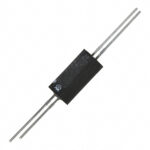 OPI1264B
The activity of extra discounts on wholesale prices is in full swing…
Please fill in your contact information and we will send you the latest wholesale price list.






