ChipApex | Global Electronic Components Supplier
SEARCH
Search Product
Search Post
— IC芯片 | 连接器 | 传感器 | 被动器件 —
Search productSearch post
— IC芯片 | 连接器 | 传感器 | 被动器件 —
Consult the customer manager about the wholesale price.
consultation hotline:86-132-6715-2157
email:[email protected]
Contact the product manager for consultation. One-stop consultation is available.
Do you want a lower wholesale price? Please send us your inquiry and we will reply immediately.
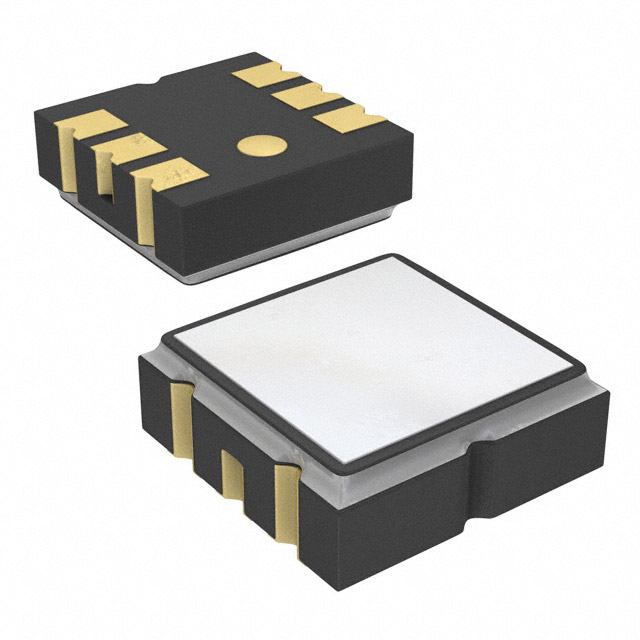
The PAFC243B is a high-frequency surface-mount ferrite bead manufactured by KYOCERA AVX. It belongs to the PAFC series designed for noise suppression in high-speed digital circuits. The component features a compact 0603 (1608 metric) package size, suitable for space-constrained PCB layouts. It provides effective attenuation of electromagnetic interference (EMI) and radio frequency interference (RFI) across a broad frequency range. The device utilizes a monolithic ferrite core structure integrated with termination electrodes to ensure reliable soldering and electrical connection.
Verify the specific suffix code against the manufacturer's official datasheet to confirm impedance values and tolerance ratings. Ensure the packaging format matches your assembly requirements. Confirm RoHS compliance status if required by your regulatory framework. Cross-reference the date code to ensure material freshness. Validate that the terminal finish meets your solderability standards before placing orders.
Select this component based on its DC resistance and impedance profile at target frequencies. Evaluate the maximum operating current to prevent thermal degradation. Consider the physical dimensions relative to available PCB real estate. Assess the temperature stability of the ferrite material for your environmental conditions. Compare alternative packages if higher current handling or different impedance curves are needed.
This part is part of KYOCERA AVX's passive filter portfolio, specifically targeting EMI suppression needs in consumer electronics and telecommunications equipment. The PAFC series is engineered to meet stringent industry standards for signal integrity. It complements other passive components like capacitors and resistors in comprehensive filtering networks. The brand emphasizes reliability and consistency in high-volume manufacturing environments.
Consult official substitution guides for equivalent parts from KYOCERA AVX or other manufacturers. Verify pin compatibility and impedance curves match the original design requirements. Check package dimensions to ensure mechanical fit without modification. Review thermal characteristics to maintain performance under load. Confirm availability and lead times for alternative sources.
 PAFC243B
The activity of extra discounts on wholesale prices is in full swing…
Please fill in your contact information and we will send you the latest wholesale price list.