ChipApex | Global Electronic Components Supplier

SEARCH
Search Product
Search Post
— IC芯片 | 连接器 | 传感器 | 被动器件 —
Search productSearch post
— IC芯片 | 连接器 | 传感器 | 被动器件 —
Consult the customer manager about the wholesale price.
consultation hotline:86-132-6715-2157
email:[email protected]
Contact the product manager for consultation. One-stop consultation is available.
Do you want a lower wholesale price? Please send us your inquiry and we will reply immediately.
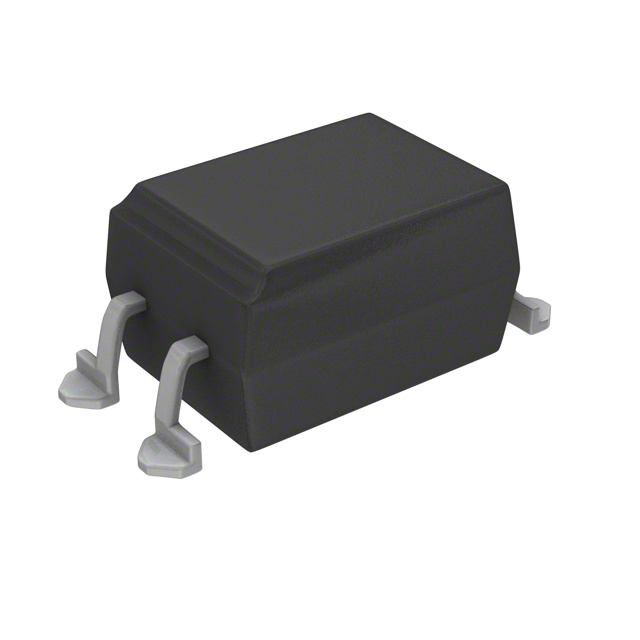
The PS2503L-1-M-A is a single-channel transistor output optocoupler manufactured by Renesas Electronics. It integrates a GaAs infrared emitting diode and an NPN silicon phototransistor in a 4-SMD gull-wing package. Key electrical parameters include a maximum collector-emitter voltage of 40 V, a maximum collector current of 30 mA, and an isolation voltage of 5000 Vrms. The device features a typical forward voltage of 1.1 V at a maximum forward current of 80 mA. Current transfer ratio ranges from 100% to 400%. Switching characteristics include rise and fall times of approximately 20 µs. It operates within a temperature range of -55°C to +100°C.
Verify the specific suffix 'M' against the official Renesas datasheet to confirm pinout and packaging details, as suffixes often denote specific tape-and-reel or tray configurations. Confirm RoHS compliance status directly from the manufacturer's documentation. Ensure the component is sourced from authorized distributors to avoid counterfeit parts, especially given the NRND status of similar series members.
Select this component when high-speed switching is required alongside galvanic isolation. The NPN phototransistor output provides sufficient drive capability for most logic interfaces. Consider the 4-SMD package for surface-mount assembly constraints. Verify that the 30 mA collector current limit meets the load requirements of the downstream circuitry before finalizing the design.
This part belongs to the PS2503L series of low input current, high-speed switching multi photocouplers. The series is designed for applications requiring fast response times and high reliability. The 'L' variant typically denotes specific insulation and performance characteristics compared to standard PS2503 models. Renesas continues to support this family for legacy and new designs requiring robust optoisolation.
The PS2503L-1-F3-A is a documented equivalent offering identical parametric performance. Check for pinout compatibility between the standard DIP and SMD variants if substituting across package types. Verify that any substitute maintains the same isolation voltage and current transfer ratio specifications.
 PS2503L-1-M-A

The activity of extra discounts on wholesale prices is in full swing…
Please fill in your contact information and we will send you the latest wholesale price list.