ChipApex | Global Electronic Components Supplier

SEARCH
Search Product
Search Post
— IC芯片 | 连接器 | 传感器 | 被动器件 —
Search productSearch post
— IC芯片 | 连接器 | 传感器 | 被动器件 —
Consult the customer manager about the wholesale price.
consultation hotline:86-132-6715-2157
email:[email protected]
Contact the product manager for consultation. One-stop consultation is available.
Do you want a lower wholesale price? Please send us your inquiry and we will reply immediately.
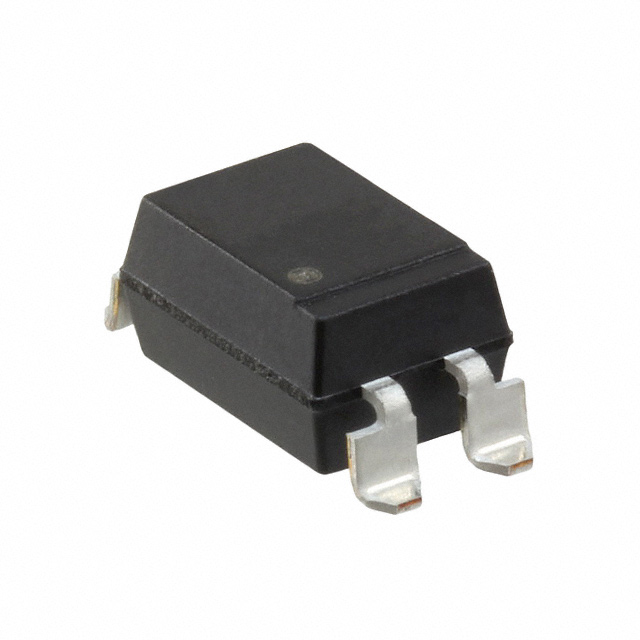
The PS2505L-1 is a transistor output optocoupler from the CEL PS2505L series. It integrates a Gallium Arsenide (GaAs) infrared emitting diode and an NPN silicon phototransistor in a single package. The device provides high isolation voltage of 5000 Vrms, suitable for AC input response applications. Key electrical parameters include a maximum collector-emitter voltage of 80 V, a maximum collector current of 50 mA, and a power dissipation rating of 150 mW. It operates within a temperature range of -55°C to +100°C.
Verify manufacturer source carefully as this component has been produced by multiple entities including NEC, Renesas, and CEL. Confirm RoHS compliance status and specific suffix codes (e.g., -E3, -A) which may indicate lead-free or updated packaging variations. Check current lifecycle status as some variants are marked as Not Recommended for New Designs (NRND) or obsolete. Ensure datasheet matches the exact part number variant being procured.
Select this component when AC line sensing is required alongside galvanic isolation. The 80V collector-emitter voltage allows direct interfacing with higher voltage logic levels without additional clamping. Consider the 50mA collector current limit for load driving capabilities. Verify package type availability, as SMD and through-hole versions exist within the broader PS2505L family.
The PS2505L-1 belongs to the PS2505L series of multi-photocouplers designed for high isolation voltage applications. This series is characterized by its ability to respond to AC inputs, distinguishing it from standard DC-response optocouplers. The product line has seen transitions between manufacturers such as NEC, Renesas Electronics, and California Eastern Labs (CEL), leading to various suffix designations.
PS2505L-1-A is a documented variant from Renesas/CEL with similar specifications. PS2505-1 is a related non-L version but may lack specific AC input response optimizations. Cross-reference datasheets for pinout and electrical limits before substitution.
 PS2505L-1

The activity of extra discounts on wholesale prices is in full swing…
Please fill in your contact information and we will send you the latest wholesale price list.