ChipApex | Global Electronic Components Supplier

SEARCH
Search Product
Search Post
— IC芯片 | 连接器 | 传感器 | 被动器件 —
Search productSearch post
— IC芯片 | 连接器 | 传感器 | 被动器件 —
Consult the customer manager about the wholesale price.
consultation hotline:86-132-6715-2157
email:[email protected]
Contact the product manager for consultation. One-stop consultation is available.
Do you want a lower wholesale price? Please send us your inquiry and we will reply immediately.
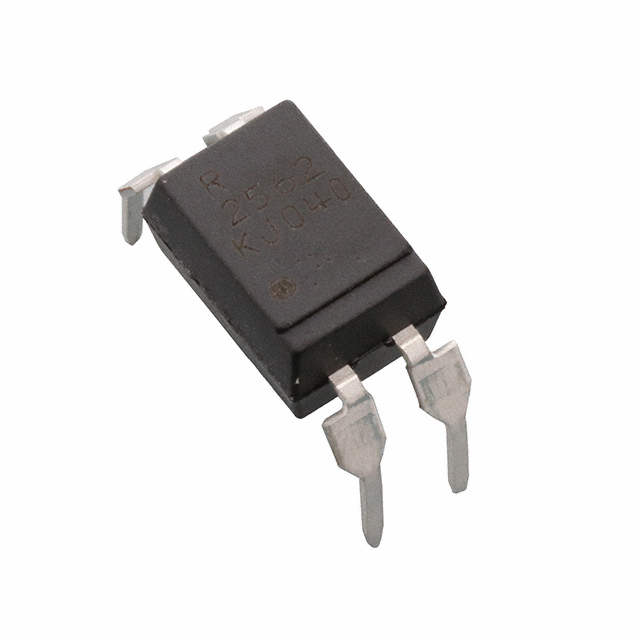
The CEL PS2561BL1-1-L-A is a single-channel transistor output optoisolator designed for electrical isolation between input and output circuits. It features a 4-pin DIP package with gull-wing leads, suitable for surface mount applications. The device provides an insulation voltage of 5000 Vrms, ensuring robust signal transmission across isolated domains. Key electrical parameters include a collector-emitter breakdown voltage of 80 V and a maximum forward current of 10 mA. It operates within a temperature range of -55°C to +110°C, making it suitable for high-temperature environments.
Verify the manufacturer designation carefully, as this part number is associated with multiple vendors including Renesas and CEL. Confirm the specific suffix 'L-A' matches the required lead bend and packaging specifications. Check current lifecycle status, as some variants may be discontinued or recommended against new designs. Ensure RoHS compliance documentation aligns with project requirements before finalizing procurement.
Select this component when high isolation voltage (5000 Vrms) and wide operating temperature ranges are required. Compare the NPN phototransistor output characteristics against alternative PNP outputs if logic inversion is needed. Verify that the 80 V collector-emitter voltage rating exceeds the load requirements. Consider the 4-pin SMD footprint compatibility with existing PCB layouts during the design phase.
This component belongs to the NEPOC series of optoisolators from California Eastern Laboratories (CEL). It is functionally similar to parts from other manufacturers like Renesas under different naming conventions. The series is characterized by its reliability in industrial applications requiring robust electrical isolation. The specific model indicates a standard transistor output configuration without additional logic gates.
Direct substitutes may include Renesas PS2561BL-1-A or CEL PS2561BL1-1-V-A. Verify pinout compatibility and electrical ratings such as CTR and isolation voltage before substitution. Note that suffixes may indicate differences in lead form or packaging quantity rather than functional changes.
 PS2561BL1-1-L-A

The activity of extra discounts on wholesale prices is in full swing…
Please fill in your contact information and we will send you the latest wholesale price list.