ChipApex | Global Electronic Components Supplier

SEARCH
Search Product
Search Post
— IC芯片 | 连接器 | 传感器 | 被动器件 —
Search productSearch post
— IC芯片 | 连接器 | 传感器 | 被动器件 —
Consult the customer manager about the wholesale price.
consultation hotline:86-132-6715-2157
email:[email protected]
Contact the product manager for consultation. One-stop consultation is available.
Do you want a lower wholesale price? Please send us your inquiry and we will reply immediately.
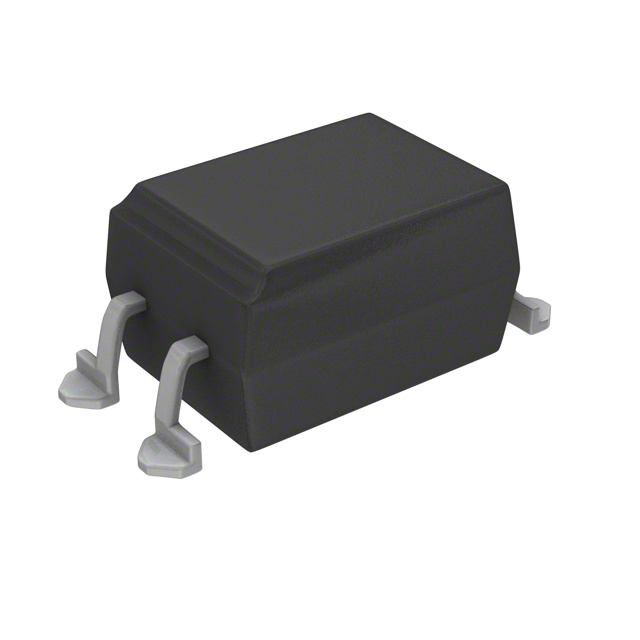
The PS2561DL-1Y-F3-A is a single-channel transistor output optocoupler manufactured by Renesas Electronics. It features an NPN phototransistor output and utilizes a 4-SMD gull-wing surface mount package. The device provides 5000 Vrms isolation voltage between input and output. Key electrical parameters include a maximum collector-emitter voltage of 80 V, a maximum collector current of 50 mA, and a forward voltage of 1.2 V at a maximum forward current of 40 mA. The current transfer ratio ranges from 50% to 400%. Switching characteristics specify a typical rise time of 3 µs and a fall time of 5 µs.
Verify the specific suffix F3-A against the official Renesas datasheet to confirm tape-and-reel packaging and creepage distance specifications. Ensure the ordering part number matches the exact RoHS compliance status and moisture sensitivity level required for the manufacturing process. Cross-reference the manufacturer part number directly with Renesas Electronics documentation to avoid substitution errors.
Select this component when surface mount technology is required for single-channel isolation with moderate speed switching capabilities. The 5000 Vrms rating suits applications demanding robust galvanic separation. Consider the 3 µs rise time for timing-sensitive digital signals. Verify that the 40 mA forward current limit aligns with the driving circuit's output capability and thermal constraints.
This part belongs to the PS2561 series of transistor output optocouplers from Renesas Electronics. The series offers various packages including DIP and SMD options. The DL2 variant typically denotes long creepage distance for enhanced safety compliance. This specific model focuses on surface mount integration while maintaining standard optocoupler performance metrics.
Direct replacements within the same family include PS2561DL-1Y-A or PS2561BL-1-A, provided the package type and electrical ratings are compatible. Verify that substitute parts meet the same 5000 Vrms isolation and CTR requirements. Check for any differences in pinout or thermal characteristics before implementation.
 PS2561DL-1Y-F3-A

The activity of extra discounts on wholesale prices is in full swing…
Please fill in your contact information and we will send you the latest wholesale price list.