ChipApex | Global Electronic Components Supplier
SEARCH
Search Product
Search Post
— IC芯片 | 连接器 | 传感器 | 被动器件 —
Search productSearch post
— IC芯片 | 连接器 | 传感器 | 被动器件 —
Consult the customer manager about the wholesale price.
consultation hotline:86-132-6715-2157
email:[email protected]
Contact the product manager for consultation. One-stop consultation is available.
Do you want a lower wholesale price? Please send us your inquiry and we will reply immediately.
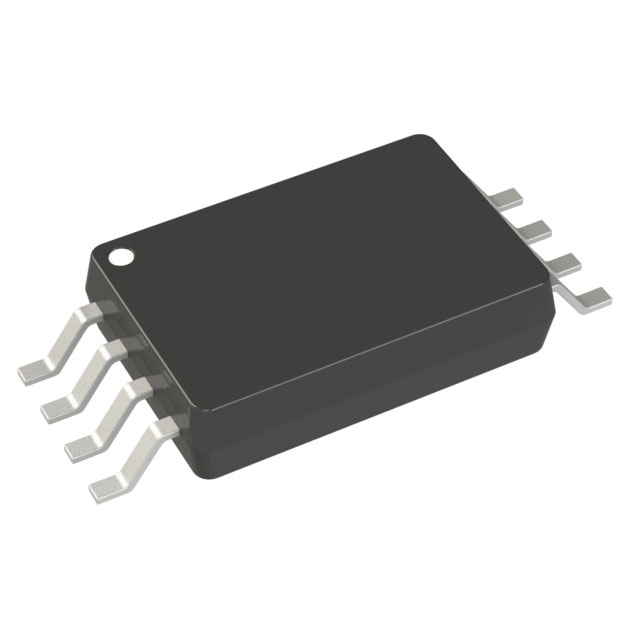
The REF192GRUZ-REEL7 is a micropower, low dropout voltage reference from the Analog Devices REF19x series. It provides a fixed nominal output voltage of 2.5 V with an initial accuracy of ±0.4%. The device operates within an input voltage range of 3 V to 15 V and delivers a maximum output current of 30 mA while consuming only 45 μA of supply current. It features a temperature coefficient of 25 ppm/°C and exhibits a typical noise voltage of 25 μV p-p in the 0.1 Hz to 10 Hz frequency band. The component is housed in an 8-TSSOP package and supports operation across an extended industrial temperature range of -40°C to +85°C.
Verify the specific electrical grade and tolerance requirements against the datasheet specifications before procurement. Confirm that the 8-TSSOP package dimensions align with the target PCB layout constraints. Ensure the operating environment remains within the specified -40°C to +85°C temperature range to maintain guaranteed performance levels.
Select this component when a stable 2.5 V reference is required with minimal power consumption. The low dropout characteristic allows operation from supplies close to the output voltage. Consider the sleep functionality if battery life extension is critical. Verify that the 30 mA output current capability meets the load requirements of the connected circuitry.
This part belongs to the REF19x series of precision band gap voltage references manufactured by Analog Devices Inc. The series includes various output voltages such as 2.048 V, 3.0 V, 3.3 V, 4.5 V, 5.0 V, and 4.096 V. The GRUZ suffix indicates the TSSOP surface-mount package variant, while the REEL7 designation specifies the tape and reel packaging format for automated assembly.
REF192GPZ
Test Pins 1 and 5 are reserved for factory in-package Zener zap trimming. Users should leave these pins unconnected to ensure proper operation.
It uses a patented temperature drift curvature correction circuit along with laser trimming of highly stable, thin-film resistors to minimize temperature-induced variations.
 REF192GRUZ-REEL7
The activity of extra discounts on wholesale prices is in full swing…
Please fill in your contact information and we will send you the latest wholesale price list.