ChipApex | Global Electronic Components Supplier
SEARCH
Search Product
Search Post
— IC芯片 | 连接器 | 传感器 | 被动器件 —
Search productSearch post
— IC芯片 | 连接器 | 传感器 | 被动器件 —
Consult the customer manager about the wholesale price.
consultation hotline:86-132-6715-2157
email:[email protected]
Contact the product manager for consultation. One-stop consultation is available.
Do you want a lower wholesale price? Please send us your inquiry and we will reply immediately.
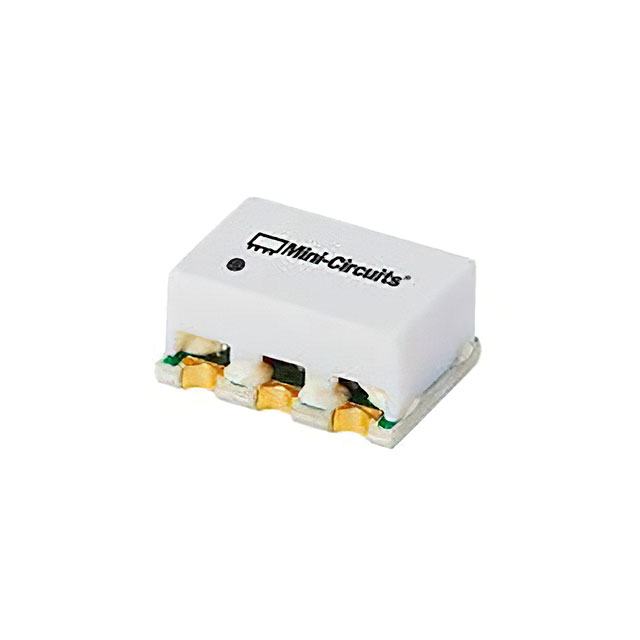
The RLM-33-2W+ is a surface-mount RF limiter manufactured by Mini-Circuits, designed to protect sensitive receiver components from high-power signal damage. It operates within a frequency range of 200 kHz to 3 GHz and utilizes silicon technology. The device supports SMD/SMT mounting styles and is available in Reel, Cut Tape, and MouseReel packaging formats. It functions reliably across an operating temperature range of -40°C to +85°C. The unit weight is specified at 23.375 g, and it complies with RoHS standards for environmental safety.
Verify the specific datasheet version when sourcing, as Mini-Circuits may update specifications over time. Confirm that the required package type (Reel, Cut Tape, or MouseReel) matches your manufacturing equipment capabilities. Ensure the ordering suffix aligns with the exact performance requirements documented in the official product specification sheet before finalizing procurement orders.
Select this component when a wide bandwidth covering sub-GHz to 3 GHz is required for limiter applications. Consider the surface-mount form factor for compact designs. Evaluate the thermal operating range to ensure compatibility with the intended environment. Compare insertion loss and clamping characteristics against other models in the RLM series if specific threshold adjustments are needed for the target application.
This part belongs to the RLM series of limiters produced by Mini-Circuits. The series includes variants such as the RLM-33+ and RLM-33-2W+, which share similar protective functionalities but differ in specific frequency coverage and power handling characteristics. These devices are categorized under RF Wireless Miscellaneous Integrated Circuits and are engineered for robust performance in demanding radio frequency environments.
The RLM-33+ is a related model within the same series, offering a different frequency start point of 30 MHz compared to the 200 kHz lower bound of the RLM-33-2W+. Verify frequency coverage requirements before substituting. No other direct substitute part numbers are confirmed in public documentation.
 RLM-33-2W+
The activity of extra discounts on wholesale prices is in full swing…
Please fill in your contact information and we will send you the latest wholesale price list.