ChipApex | Global Electronic Components Supplier
SEARCH
Search Product
Search Post
— IC芯片 | 连接器 | 传感器 | 被动器件 —
Search productSearch post
— IC芯片 | 连接器 | 传感器 | 被动器件 —
Consult the customer manager about the wholesale price.
consultation hotline:86-132-6715-2157
email:[email protected]
Contact the product manager for consultation. One-stop consultation is available.
Do you want a lower wholesale price? Please send us your inquiry and we will reply immediately.
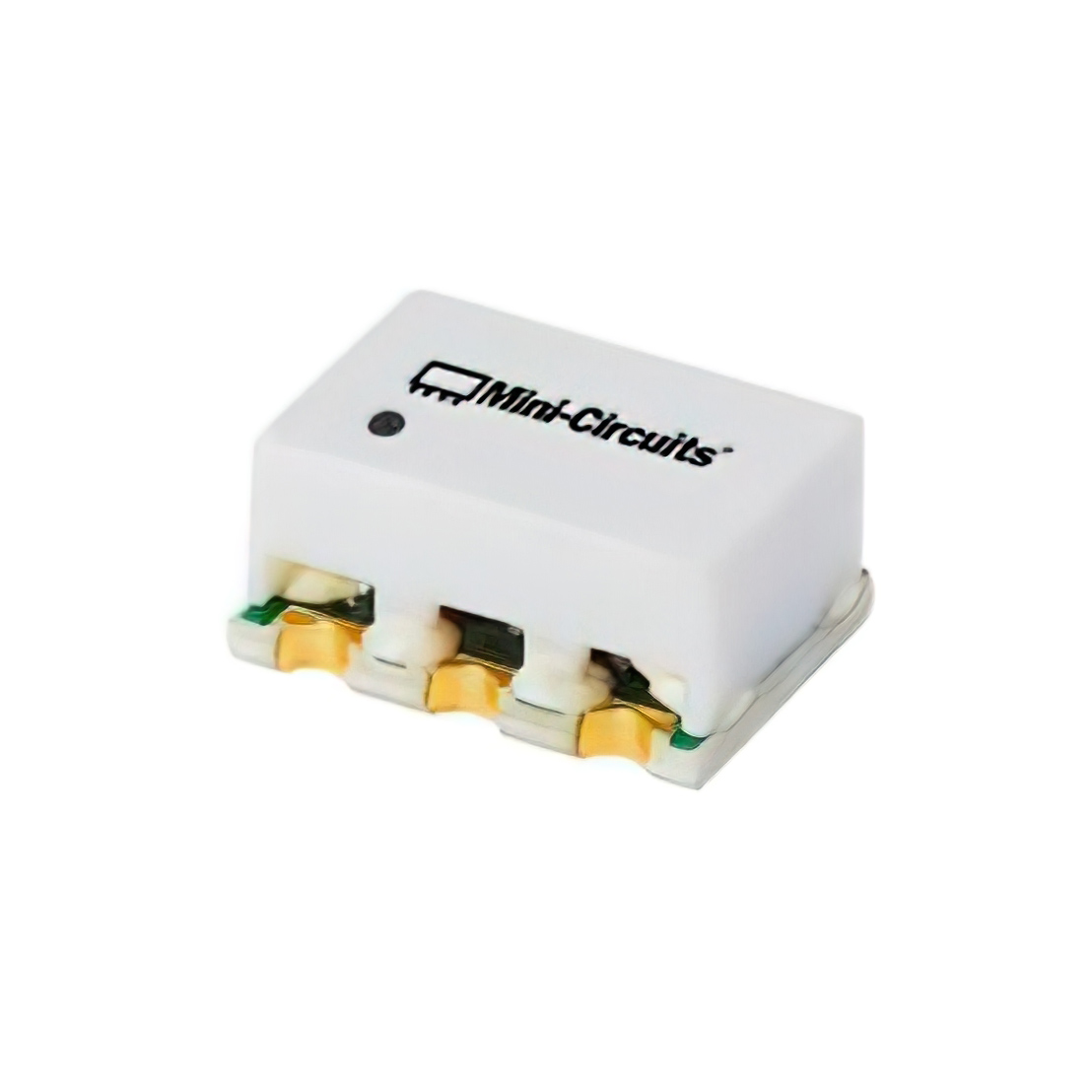
The RMK-5-972+ is a surface-mount technology (SMT) frequency multiplier from Mini-Circuits, featuring a fixed multiplication factor of 5. It operates within an output frequency range of 8100 MHz to 9750 MHz. The device accepts input frequencies between 1620 MHz and 1950 MHz. Designed for robust performance, it supports a maximum input power of +13 dBm and delivers a typical conversion gain of +4 dB. The component functions reliably across an extended temperature range of -40°C to +85°C.
Verify the specific datasheet revision when ordering, as electrical characteristics may vary slightly between production batches. Confirm that the receiving facility has appropriate ESD protection protocols, as the component utilizes sensitive semiconductor junctions. Ensure that the PCB layout matches the recommended footprint dimensions provided in the official package drawing to maintain signal integrity and thermal performance during soldering processes.
Select this component when a stable five-times multiplication ratio is required for frequencies above 8 GHz. It is suitable for designs needing compact SMT solutions without external tuning components. Consider the +13 dBm input power limit when designing driver stages to prevent saturation or damage. This part is ideal for replacing discrete multiplier circuits where space constraints and consistent phase noise performance are critical design parameters.
This model belongs to the RMK series of signal conditioning devices manufactured by Mini-Circuits. The series focuses on providing reliable RF and microwave solutions for various commercial and industrial sectors. As a dedicated frequency multiplier, it complements other components like mixers and amplifiers in complex RF front-end architectures, offering a standardized solution for frequency generation tasks.
Direct substitutes include the RMK-5-83+ for lower frequency outputs (5000-8000 MHz) and the RMK-5-571+ for even lower bands (350-575 MHz). When replacing, verify that the new part's output frequency range aligns with the system requirements, as these variants cover different spectral segments while maintaining similar form factors.
 RMK-5-972+
The activity of extra discounts on wholesale prices is in full swing…
Please fill in your contact information and we will send you the latest wholesale price list.