ChipApex | Global Electronic Components Supplier
SEARCH
Search Product
Search Post
— IC芯片 | 连接器 | 传感器 | 被动器件 —
Search productSearch post
— IC芯片 | 连接器 | 传感器 | 被动器件 —
Consult the customer manager about the wholesale price.
consultation hotline:86-132-6715-2157
email:[email protected]
Contact the product manager for consultation. One-stop consultation is available.
Do you want a lower wholesale price? Please send us your inquiry and we will reply immediately.
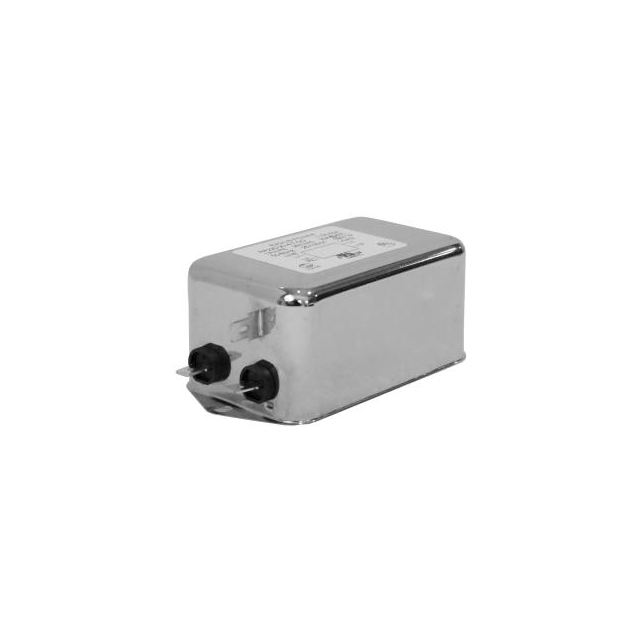
The Astrodyne TDI RP220-20-0-QD is a high-performance, single-output DC power supply designed for demanding industrial and commercial applications. It delivers a regulated output of 20 volts at 11 amps, providing a total power capacity of 220 watts. The unit features a universal AC input range from 85 to 264 VAC, ensuring compatibility with global power standards. Key electrical specifications include a line regulation of less than 0.5% and a load regulation of less than 1%. The device incorporates comprehensive protection mechanisms such as short-circuit, over-voltage, and over-current protection to safeguard connected loads.
Verify the specific ordering suffix against the manufacturer's current datasheet to confirm terminal block type and regulatory certifications. Ensure the input voltage requirements match your facility's power distribution network. Confirm that the physical dimensions and mounting hole patterns are compatible with your existing chassis or DIN rail assembly before finalizing procurement.
Select this model when a reliable 20V DC source is required for moderate power loads up to 220W. Consider the thermal management capabilities if the unit will operate in enclosed spaces without active cooling. Evaluate the need for remote sensing if long cable runs are involved, as standard models may require external compensation for voltage drop across wiring.
This component belongs to the RP220 series of switching power supplies manufactured by Astrodyne TDI. The series is engineered for robustness and reliability in critical applications. The 'QD' suffix typically denotes specific connector or terminal configurations within the product family, distinguishing it from other variants in the same power class.
Direct replacements must match the 20V/11A output specification and similar footprint dimensions. Verify pinout compatibility if using existing cabling. Consult official substitution lists from Astrodyne TDI for cross-referenced models with identical electrical characteristics and mechanical constraints.
 RP220-20-0-QD
The activity of extra discounts on wholesale prices is in full swing…
Please fill in your contact information and we will send you the latest wholesale price list.