ChipApex | Global Electronic Components Supplier
SEARCH
Search Product
Search Post
— IC芯片 | 连接器 | 传感器 | 被动器件 —
Search productSearch post
— IC芯片 | 连接器 | 传感器 | 被动器件 —
Consult the customer manager about the wholesale price.
consultation hotline:86-132-6715-2157
email:[email protected]
Contact the product manager for consultation. One-stop consultation is available.
Do you want a lower wholesale price? Please send us your inquiry and we will reply immediately.
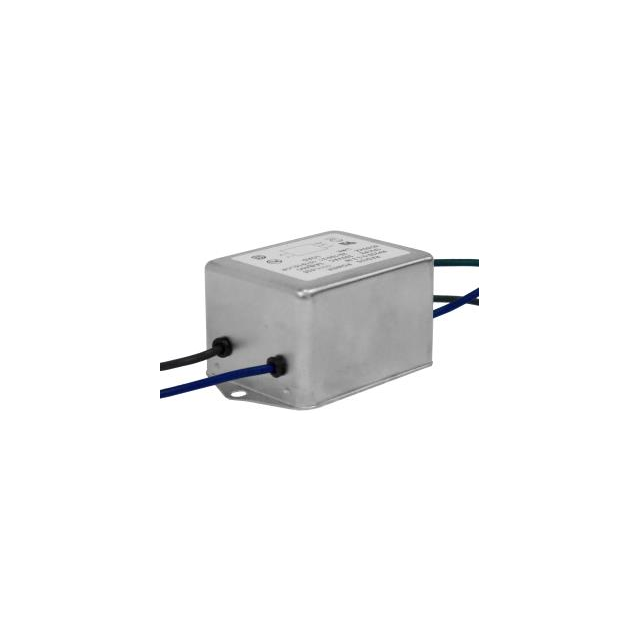
The Astrodyne TDI RP225-3-3.3-W is a high-performance, dual-stage power line filter designed for single-phase AC applications. It features a rated voltage of 250 VAC and a current rating of 3 A. The unit utilizes quick connect terminals for electrical connections and supports chassis mounting. Certified under UL, CSA, and EN standards, it operates at 50 Hz or 60 Hz with a capacitance of 3.3 nF. The device ensures effective electromagnetic interference suppression while maintaining low leakage current characteristics suitable for sensitive electronic equipment.
Verify the specific suffix 'W' against official datasheets to confirm terminal type and mounting configuration. Ensure the 3A current rating aligns with system requirements. Confirm that the 250VAC rating matches the local mains supply voltage. Check for updated certification marks such as UL and EN on the latest revision of the component documentation before finalizing procurement specifications.
Select this model when a compact, dual-stage solution is required for 3A single-phase circuits. The 3.3nF capacitance value indicates suitability for standard EMI suppression tasks. Verify that the chassis mounting style fits the available enclosure space. Ensure the quick connect terminals are compatible with the wiring harness or PCB layout used in the target application design.
This component belongs to the RP225 series of power line filters from Astrodyne TDI. The series offers various current ratings and capacitance values to suit different power levels. The RP225 series is characterized by its dual-stage construction, which provides superior attenuation compared to single-stage alternatives. This specific variant targets lower current applications within the broader product family.
Consult official substitution guides for equivalent models within the RP225 series or other Astrodyne TDI lines. Verify that any replacement maintains the same 3A rating, 250VAC voltage, and 3.3nF capacitance. Ensure physical dimensions and mounting hole patterns match the existing chassis cutout to avoid mechanical integration issues.
 RP225-3-3.3-W
The activity of extra discounts on wholesale prices is in full swing…
Please fill in your contact information and we will send you the latest wholesale price list.