ChipApex | Global Electronic Components Supplier
SEARCH
Search Product
Search Post
— IC芯片 | 连接器 | 传感器 | 被动器件 —
Search productSearch post
— IC芯片 | 连接器 | 传感器 | 被动器件 —
Consult the customer manager about the wholesale price.
consultation hotline:86-132-6715-2157
email:[email protected]
Contact the product manager for consultation. One-stop consultation is available.
Do you want a lower wholesale price? Please send us your inquiry and we will reply immediately.
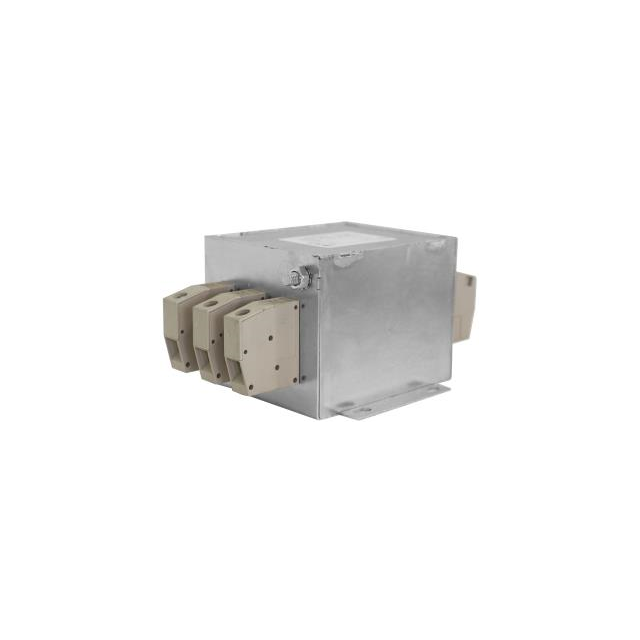
The RP305-80-470-C is a compact three-phase delta single-stage power line filter manufactured by Astrodyne TDI. It belongs to the RP220 series and is designed for industrial power conditioning applications. The unit features chassis mount installation with stud termination, supporting high current loads up to 80 amperes at a voltage rating of 480 VAC. Operating at standard frequencies of 50 Hz and 60 Hz, it incorporates a capacitance value of 470 microfarads. The filter complies with CSA, EN60939, and UR safety standards, ensuring reliable electromagnetic interference suppression in demanding electrical environments.
Verify component authenticity through authorized Astrodyne TDI distributors or official channels. Confirm that the specific part number matches project requirements for voltage, current, and mounting specifications. Ensure compliance with regional safety certifications such as UL and CSA before deployment. Request updated datasheets to validate technical parameters against current manufacturing revisions.
Select this model for applications requiring high-current handling in three-phase delta configurations. Evaluate thermal management capabilities within the intended enclosure environment. Compare leakage current specifications against sensitive load requirements. Ensure mechanical dimensions align with available chassis mounting space and stud access points.
This component is part of the RP220 series from Astrodyne TDI, specializing in power line filters for industrial power conditioning. The series offers various configurations including wye and delta connections across different current ratings. These filters are engineered to meet stringent electromagnetic compatibility standards while maintaining durability in harsh operational conditions.
Consult official Astrodyne TDI documentation for verified substitute part numbers. Cross-reference electrical parameters including voltage, current, and capacitance values when evaluating alternatives. Ensure mechanical mounting styles and termination types match existing infrastructure constraints.
 RP305-80-470-C
The activity of extra discounts on wholesale prices is in full swing…
Please fill in your contact information and we will send you the latest wholesale price list.