ChipApex | Global Electronic Components Supplier

SEARCH
Search Product
Search Post
— IC芯片 | 连接器 | 传感器 | 被动器件 —
Search productSearch post
— IC芯片 | 连接器 | 传感器 | 被动器件 —
Consult the customer manager about the wholesale price.
consultation hotline:86-132-6715-2157
email:[email protected]
Contact the product manager for consultation. One-stop consultation is available.
Do you want a lower wholesale price? Please send us your inquiry and we will reply immediately.
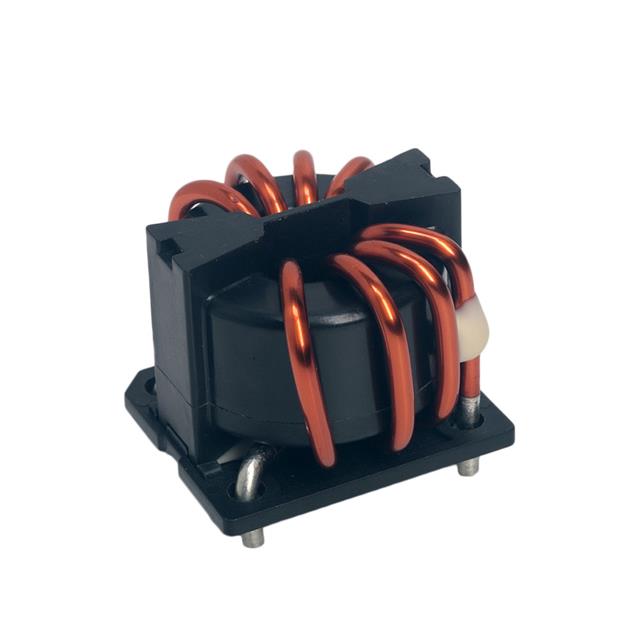
The KEMET SCF25XV-190-1R8A008JH is a common mode choke from the SCF-XV series, designed for high-current applications. It features an inductance of 1.6 mH and supports a maximum DC current of 19 A. The component has a maximum DC resistance of 3.07 mOhms and operates within a temperature range of -40°C to +150°C. Rated for 1000 V, it meets AEC-Q200 automotive qualification standards and utilizes through-hole PCB mounting.
Verify the specific suffix JH against project requirements, as it denotes a particular tolerance or packaging variant distinct from other suffixes like JV. Confirm that the 19 A saturation current aligns with peak load conditions. Ensure PCB layout accommodates the through-hole footprint and thermal dissipation needs associated with low-resistance high-current chokes. Cross-reference the AEC-Q200 certification if automotive compliance is mandatory for the final assembly.
Select this component when high common-mode rejection is required alongside significant DC bias current. The 1.6 mH value provides effective noise suppression at typical switching frequencies while maintaining low insertion loss due to the 3.07 mOhm resistance. Consider the 1000 V rating for isolation requirements in high-voltage automotive or industrial systems. The wide temperature range ensures stability in under-hood or enclosed industrial enclosures without derating.
This part belongs to the KEMET SCF-XV series of common mode chokes, which are engineered for robust performance in demanding electronic environments. The series is characterized by high current capacity and automotive qualification, making it suitable for critical power electronics. The SCF25XV designation indicates specific physical dimensions and winding configurations optimized for high-frequency noise attenuation in power lines.
The SCF25XV-190-1R8A008JV is a verified alternative within the same series, featuring a slightly lower DC resistance of 2.98 mOhms compared to the 3.07 mOhm of the JH variant. Both share identical inductance, current rating, and voltage specifications. Verify that the packaging or tolerance differences between the JH and JV suffixes do not impact the assembly process or circuit performance before substitution.
 SCF25XV-190-1R8A008JH

The activity of extra discounts on wholesale prices is in full swing…
Please fill in your contact information and we will send you the latest wholesale price list.