ChipApex | Global Electronic Components Supplier

SEARCH
Search Product
Search Post
— IC芯片 | 连接器 | 传感器 | 被动器件 —
Search productSearch post
— IC芯片 | 连接器 | 传感器 | 被动器件 —
Consult the customer manager about the wholesale price.
consultation hotline:86-132-6715-2157
email:[email protected]
Contact the product manager for consultation. One-stop consultation is available.
Do you want a lower wholesale price? Please send us your inquiry and we will reply immediately.
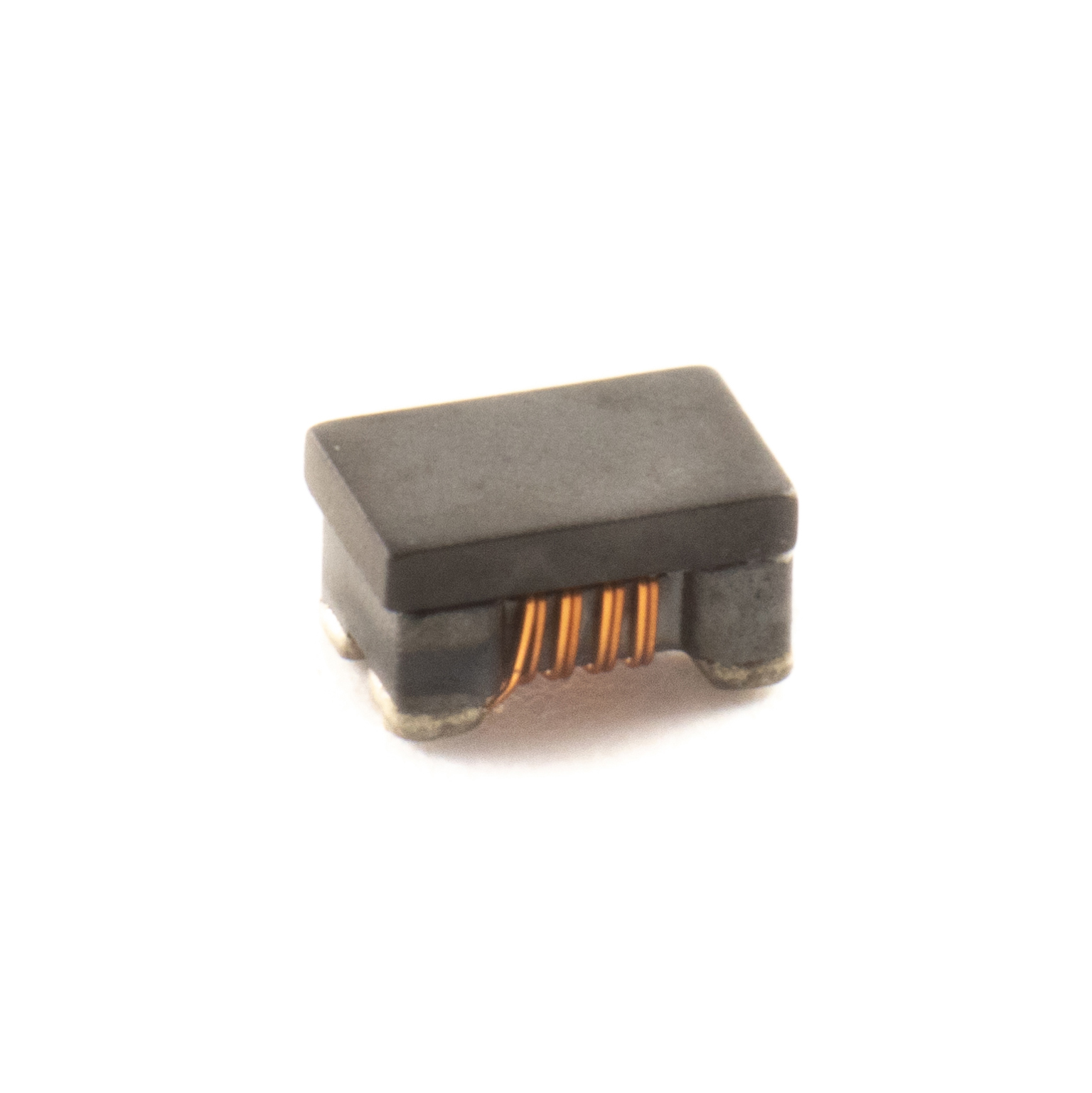
The SCM10-371M-RC is a surface mount common mode choke manufactured by Allied Components International. It features a two-line configuration designed for signal line filtering applications, specifically identified for USB 2.0 interfaces. The component exhibits an impedance of 370 Ohms at 100 MHz and supports a maximum current rating of 280 mA. Its DC resistance is limited to a maximum of 450 mOhm, with voltage ratings specified at 50 V AC and 120 V DC. The device operates within a temperature range of -40°C to +150°C.
Verify the specific impedance value and current rating against the official datasheet before procurement, as variations exist within the SCM10 series. Confirm that the surface mount package dimensions align with your PCB footprint requirements. Ensure the operating temperature range meets your system's thermal specifications. Check for RoHS compliance documentation if required by your manufacturing standards. Validate the voltage ratings against your circuit's operational limits to prevent component failure.
Select this component when designing circuits requiring common mode chokes for USB 2.0 or similar high-speed signal lines. Consider the 370 Ohm impedance at 100 MHz for effective noise attenuation at target frequencies. Evaluate the 280 mA current rating to ensure it accommodates peak signal currents without saturation. Assess the low DC resistance to minimize signal loss across the filtered lines. Compare physical dimensions against available board space constraints.
This part belongs to the SCM10 series of surface mount common mode chokes from Allied Components International. The series includes variants with different impedance values, such as 120 Ohms and 360 Ohms, catering to various filtering needs. These components are generally utilized in applications requiring compact EMI suppression solutions for digital signals.
Potential substitutes include other SCM10 series variants like SCM10-361M-RC or SCM10-121M-RC, provided their impedance and current ratings match the design requirements. Verify pin compatibility and package dimensions before substitution.
 SCM10-371M-RC

The activity of extra discounts on wholesale prices is in full swing…
Please fill in your contact information and we will send you the latest wholesale price list.