ChipApex | Global Electronic Components Supplier

SEARCH
Search Product
Search Post
— IC芯片 | 连接器 | 传感器 | 被动器件 —
Search productSearch post
— IC芯片 | 连接器 | 传感器 | 被动器件 —
Consult the customer manager about the wholesale price.
consultation hotline:86-132-6715-2157
email:[email protected]
Contact the product manager for consultation. One-stop consultation is available.
Do you want a lower wholesale price? Please send us your inquiry and we will reply immediately.
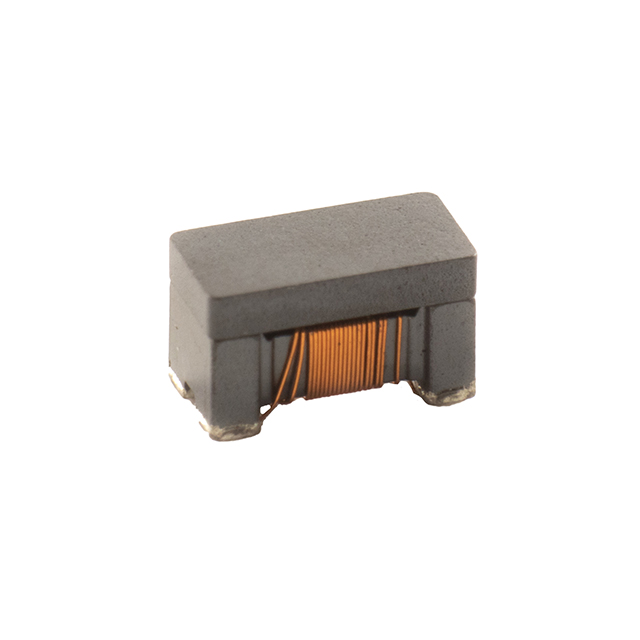
The SCM20-361T-RC is a surface mount common mode choke manufactured by Allied Components International. It is designed for two-line applications with an impedance of 360 Ohms at 100 MHz. The component operates within a temperature range of -40°C to 105°C and features a maximum height of 0.083 inches (2.10mm). This device serves as a magnetic filter for suppressing electromagnetic interference in high-speed data transmission circuits.
Verify the specific manufacturer part number against official Allied Components International documentation before procurement. Confirm that the component designation matches the required impedance and package specifications. Ensure availability status is checked directly with authorized distributors, as supply chain statuses change frequently. Cross-reference technical parameters with the latest published datasheet to guarantee compatibility with the target design requirements.
Select this component when a 360 Ohm impedance at 100 MHz is required for common mode noise reduction. Consider the surface mount form factor and 0.083-inch height limit for board space constraints. Evaluate the -40°C to 105°C operating range against environmental conditions. Compare electrical characteristics with alternative models in the SCM20 series if different impedance values are needed for specific signal integrity targets.
This component belongs to the SCM20 series of common mode chokes from Allied Components International. The series includes various impedance variants tailored for different frequency attenuation needs. These components are generally utilized in digital communication interfaces where signal integrity must be maintained against external noise sources. The product line focuses on providing reliable magnetic filtering solutions for compact electronic designs.
Consult official substitution guides or manufacturer cross-reference lists for verified alternatives. Ensure any substitute part maintains identical impedance characteristics and physical dimensions. Verify that replacement components meet the same thermal and electrical performance standards documented for the original part.
 SCM20-361T-RC

The activity of extra discounts on wholesale prices is in full swing…
Please fill in your contact information and we will send you the latest wholesale price list.