 ChipApex | Global Electronic Components Supplier
SEARCH
Search Product
Search Post
— IC芯片 | 连接器 | 传感器 | 被动器件 —
Search productSearch post
— IC芯片 | 连接器 | 传感器 | 被动器件 —
Consult the customer manager about the wholesale price.
consultation hotline:86-132-6715-2157
email:[email protected]
Contact the product manager for consultation. One-stop consultation is available.
Do you want a lower wholesale price? Please send us your inquiry and we will reply immediately.
The EPSON SG-9101CG-D40PGDCA is a programmable spread spectrum crystal oscillator (XO) from the SG-9101 series. It features a CMOS output and operates within a supply voltage range of 1.62V to 3.63V. The device supports frequencies from 670 kHz to 170 MHz and includes an enable/disable function. It utilizes a 4-SMD, no-lead package with dimensions of 2.50mm x 2.00mm x 0.80mm. The component is designed for operation across a temperature range of -40°C to 105°C and incorporates downward spread spectrum modulation with a bandwidth of -4.00%.
Verify that the specific part number matches the required frequency specification, as this model is often programmed to customer requirements. Confirm that the supply voltage range aligns with the target system's power rails. Ensure the 4-SMD footprint dimensions are compatible with the PCB layout. Check for any specific ordering suffixes that might indicate different programming or packaging options. Validate compliance with RoHS3 standards if required by the end product regulations.
Choose this component when a programmable clock source with spread spectrum capabilities is needed. Consider the wide operating temperature range for harsh environments. Evaluate the CMOS output compatibility with downstream logic levels. Assess the need for enable/disable functionality for power management strategies. Compare the package size constraints against available board space.
This oscillator belongs to the SG-9101 series, which offers programmable solutions for various timing applications. The series provides flexibility in frequency selection while maintaining low jitter and phase noise characteristics typical of crystal oscillators. The SG-9101CG variant specifically denotes the commercial grade temperature range and package type within the broader family lineup.
Direct substitutes may include other models from the SG-9101 series with compatible pinouts and electrical specifications. Verify that alternative parts support the same spread spectrum modulation depth and frequency range. Ensure that the replacement maintains the same package dimensions and thermal performance characteristics.
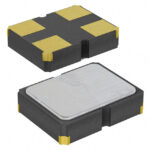 SG-9101CG-D40PGDCA
The activity of extra discounts on wholesale prices is in full swing…
Please fill in your contact information and we will send you the latest wholesale price list.





