 ChipApex | Global Electronic Components Supplier
SEARCH
Search Product
Search Post
— IC芯片 | 连接器 | 传感器 | 被动器件 —
Search productSearch post
— IC芯片 | 连接器 | 传感器 | 被动器件 —
Consult the customer manager about the wholesale price.
consultation hotline:86-132-6715-2157
email:[email protected]
Contact the product manager for consultation. One-stop consultation is available.
Do you want a lower wholesale price? Please send us your inquiry and we will reply immediately.
The SG-9101CG-D40SGDBC is a programmable crystal oscillator from the EPSON SG-9101CG series. It features a CMOS output type and operates within a supply voltage range of 1.62V to 3.63V. The device supports a frequency range of 670 kHz to 20 MHz and includes a standby function. It is designed for an operating temperature range of -40°C to +85°C. The component utilizes a 4-SMD, no-lead package with dimensions of 2.50mm x 2.00mm.
This component is supplied as a blank oscillator requiring frequency programming by the distributor or authorized service provider prior to shipment. Buyers must specify the desired operating frequency during the ordering process. Verify that the programming service aligns with project timelines, as this adds a processing step to standard delivery. Ensure the selected frequency falls within the specified 670 kHz to 20 MHz operational range for valid functionality.
Select this model when a precise, factory-programmable clock source is required for space-constrained designs. The 4-SMD package suits surface-mount applications with limited board area. Consider the CMOS output compatibility with downstream logic levels. The wide operating temperature range ensures reliability in varied environmental conditions. Verify that the downward spread spectrum feature meets specific electromagnetic compatibility requirements for the target application.
The SG-9101CG-D40SGDBC belongs to the SG-9101Cx series of programmable spread spectrum crystal oscillators. This series is characterized by its compact size and flexibility in frequency selection. The 'D40' suffix typically denotes specific packaging or handling characteristics within the product line. These oscillators are engineered to provide stable timing solutions while offering reduced electromagnetic interference through spread spectrum technology.
Direct substitutes include other variants within the SG-9101CG series, such as SG-9101CG-D40SGCAC, which shares identical electrical specifications and package dimensions. When replacing, ensure the new part supports the same programmable frequency range and output voltage levels. Verify that the replacement maintains the required operating temperature range and spread spectrum functionality for system compatibility.
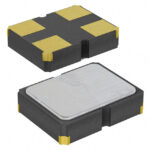 SG-9101CG-D40SGDBC
The activity of extra discounts on wholesale prices is in full swing…
Please fill in your contact information and we will send you the latest wholesale price list.





