ChipApex | Global Electronic Components Supplier
SEARCH
Search Product
Search Post
— IC芯片 | 连接器 | 传感器 | 被动器件 —
Search productSearch post
— IC芯片 | 连接器 | 传感器 | 被动器件 —
Consult the customer manager about the wholesale price.
consultation hotline:86-132-6715-2157
email:[email protected]
Contact the product manager for consultation. One-stop consultation is available.
Do you want a lower wholesale price? Please send us your inquiry and we will reply immediately.
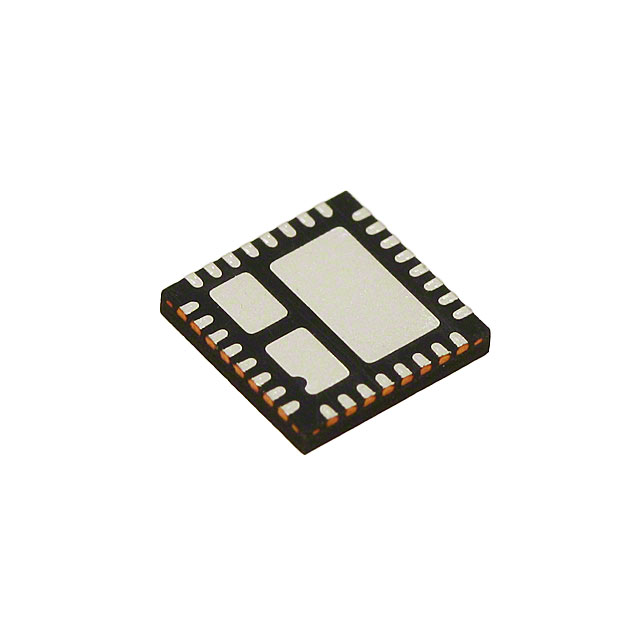
The SIC402ACD-T1-GE3 is a dual-channel synchronous step-down switching regulator manufactured by Vishay Siliconix. It integrates high-side and low-side N-channel power MOSFETs into a single compact package. The device operates with an input voltage range of 2.7 V to 18 V and supports adjustable output voltages. It features a fixed switching frequency of 1.5 MHz, enabling the use of small external inductors and capacitors. The IC includes comprehensive protection mechanisms such as over-current protection, thermal shutdown, and soft-start functionality.
Verify the complete part number including the suffix -GE3 to ensure compliance with RoHS and REACH directives. Confirm the specific tape and reel packaging configuration required for your assembly line. Cross-reference the datasheet revision date to ensure compatibility with your design specifications. Check for any recent lifecycle notices regarding obsolescence or recommended replacements from the manufacturer.
Select this component when a dual-channel solution is required to save board space compared to using two separate regulators. Consider the thermal performance of the MLP55-32L package relative to your expected load current. Ensure the 1.5 MHz switching frequency aligns with your electromagnetic interference (EMI) constraints and passive component availability. Verify that the control loop compensation components are suitable for the desired output voltage and load transient requirements.
This part belongs to the SiC402A family of dual synchronous buck regulators. It is designed to replace discrete solutions or single-channel regulators in applications needing two independent outputs. The integration of driver circuitry and power switches simplifies the bill of materials and reduces layout complexity for high-density power designs.
Check for direct pin-to-pin compatible alternatives within the same Vishay Siliconix portfolio if supply chain constraints exist. Verify that any substitute maintains the same input voltage range, switching frequency, and package dimensions to avoid PCB redesign.
 SIC402ACD-T1-GE3
The activity of extra discounts on wholesale prices is in full swing…
Please fill in your contact information and we will send you the latest wholesale price list.